
Maruti Suzuki EV Exports Cross 50,000 Units as e Vitara Expands Globally
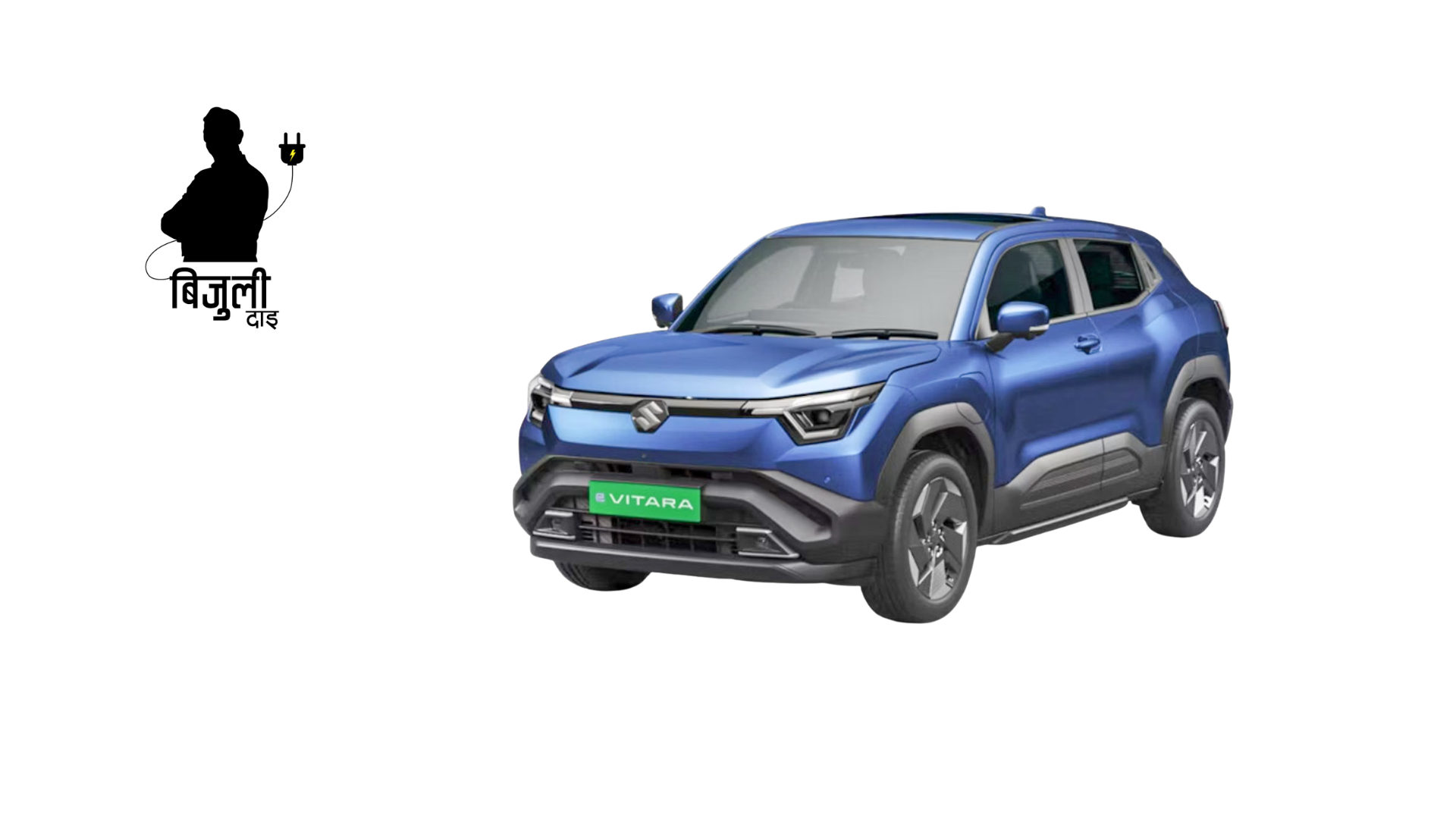
Maruti Suzuki has reached a major milestone in its electric vehicle journey, with cumulative EV exports crossing 50,000 units since August 2025. The company’s first global electric SUV, the e Vitara, is driving this growth as shipments expand to nearly 50 countries.
Moreover, Maruti Suzuki accounted for nearly 93% of India’s electric passenger vehicle exports between April and September 2026. Europe remains its largest export destination, while markets such as the UK, Norway, Germany, Japan and Switzerland are also receiving the India-made electric SUV.
Maruti Suzuki Crosses 50,000 EV Export Units
Maruti Suzuki India announced the export milestone on October 29, 2026. The company began global shipments of the e Vitara in August 2025, following the start of production at its Hansalpur facility in Gujarat.
Since then, the electric SUV has reached international markets as part of Suzuki’s wider global electrification strategy. The company has positioned India as a key manufacturing hub for its first global battery-electric vehicle.
According to the company, Maruti Suzuki maintained its position as India’s leading electric passenger vehicle exporter during the first half of the 2026–27 financial year. Its share of nearly 93% highlights the e Vitara’s significant contribution to India’s EV export figures.
Suzuki e Vitara Leads the Export Push
The Suzuki e Vitara is the central model behind Maruti Suzuki’s electric vehicle export strategy. Unlike the company’s popular petrol and hybrid models, the e Vitara runs entirely on battery power.
The electric SUV is available internationally with different battery and drivetrain configurations, depending on the market. Its design combines SUV proportions with a modern electric powertrain and technology-focused cabin.
Key highlights include:
- Battery-electric powertrain
- Multiple battery and drivetrain configurations, depending on the market
- Modern SUV design with five-seat practicality
- Connected infotainment and driver-assistance features
- International availability across nearly 50 countries
The e Vitara’s international rollout also demonstrates how India-based manufacturing can support Suzuki’s global electric vehicle plans.
Europe Remains the Largest Export Market
Europe continues to be the biggest destination for Maruti Suzuki’s electric vehicle exports. The company supplies the e Vitara to countries including the United Kingdom, Norway, Germany and Switzerland. Japan is another important market.
The international expansion supports the company’s strategy of using its Indian manufacturing operations to serve customers worldwide.
However, export volumes can vary between markets depending on demand, regulations, incentives and local distribution plans. The milestone reflects cumulative shipments rather than retail sales in any single country.
Hansalpur Plant Strengthens India’s EV Manufacturing Role
Maruti Suzuki manufactures the e Vitara at its Hansalpur facility in Gujarat. The plant is the exclusive manufacturing base for Suzuki’s first global battery-electric vehicle.
The facility has recently expanded its annual production capacity to one million vehicles, making it the first Suzuki manufacturing location worldwide to reach that capacity at a single site.
Maruti Suzuki has invested approximately Rs. 25,288.7 crore in the Hansalpur facility. The plant also played a major role in the company’s wider export business, accounting for nearly half of its total overseas shipments during the 2025–26 financial year.
The expanded capacity could help the automaker support growing demand for both domestic and international markets. Nevertheless, total plant capacity covers the facility’s wider vehicle operations, not just electric vehicles.
What Does This Mean for India’s EV Industry?
Crossing 50,000 EV exports in just over a year marks an important step for Maruti Suzuki’s electric vehicle programme. It also shows the growing role of Indian manufacturing in the global EV supply chain.
For India, the milestone highlights the potential to manufacture electric vehicles for overseas markets rather than focusing only on domestic demand.
Meanwhile, Maruti Suzuki’s strong share of electric passenger vehicle exports shows how much the e Vitara currently contributes to the country’s export figures. Future performance will depend on production, international demand and the company’s ability to expand its EV portfolio.
Maruti Suzuki e Vitara Price in Nepal and Availability
Maruti Suzuki’s 50,000-unit export milestone does not confirm a Nepal launch. As of October 2026, an official Nepal launch date and retail price for the e Vitara have not been confirmed through the information cited in this report.
| Details | Information |
|---|---|
| Model | Suzuki e Vitara |
| Vehicle Type | Battery-electric SUV |
| Manufacturer | Maruti Suzuki India / Suzuki |
| Manufacturing Location | Hansalpur, Gujarat, India |
| Cumulative EV Exports | More than 50,000 units |
| Export Markets | Nearly 50 countries |
| Price in Nepal | Not officially announced |
| Nepal Availability | Official launch details awaited |
Nepali buyers should wait for confirmation from an authorized local distributor before relying on any estimated price or availability information.
Frequently Asked Questions
Maruti Suzuki has exported more than 50,000 electric vehicles cumulatively since international shipments began in August 2025.
The Suzuki e Vitara, the company’s first global battery-electric SUV, is driving its EV export programme.
The company accounted for nearly 93% of India’s electric passenger vehicle exports between April and September 2026.
The e Vitara is manufactured at Maruti Suzuki’s Hansalpur facility in Gujarat, India.
An official Nepal launch date and retail price have not been confirmed in the sources used for this report.