
The New Chevy Bolt Charges Quicker Than GM’s Pricier EVs: Proof That Voltage Matters
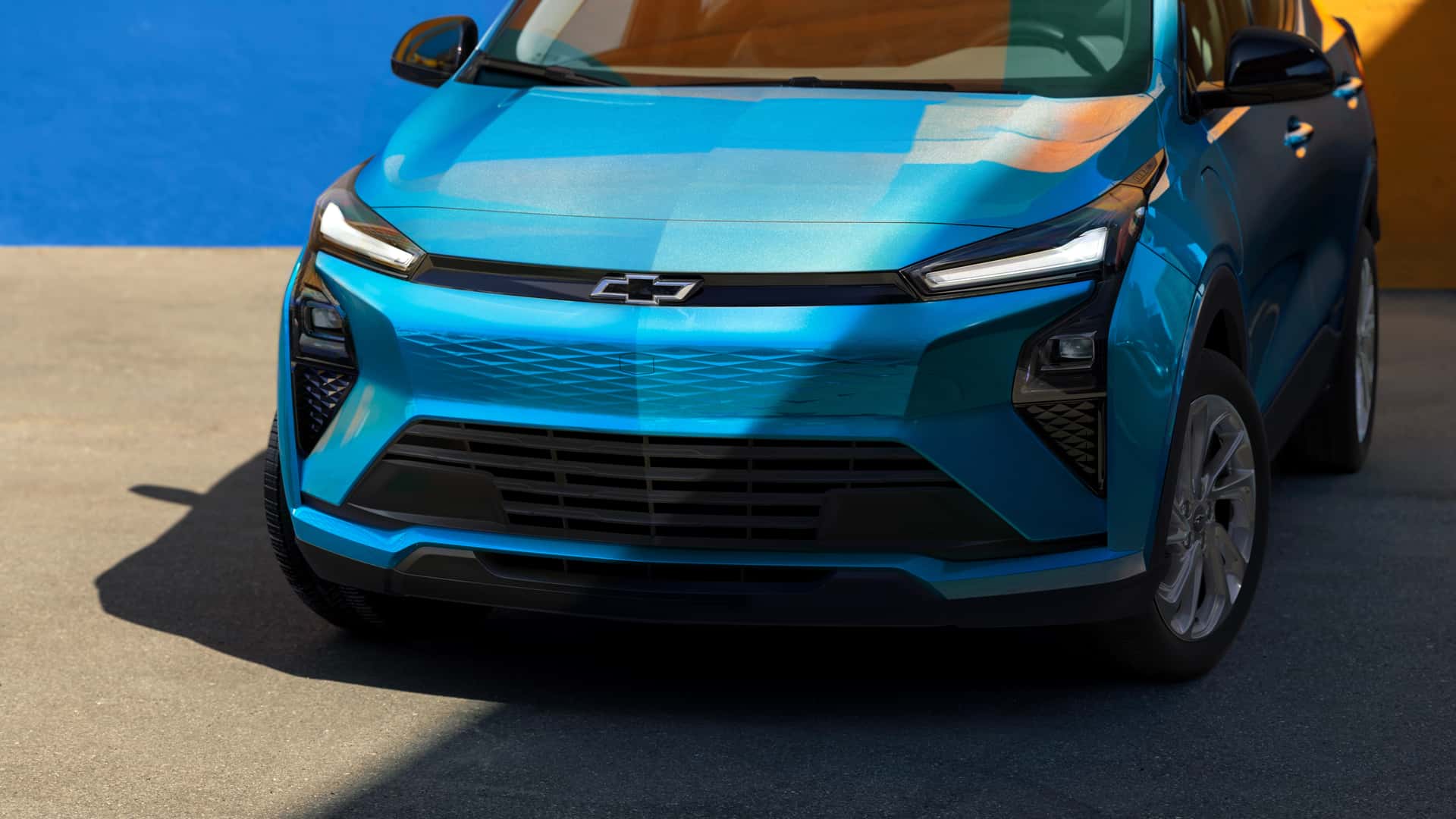
General Motors is proving that bigger isn’t always better. On March 14, 2026, new performance data for the 2027 Chevrolet Bolt revealed a shocking technical win: the entry-level hatchback can complete a standard fast-charge session faster than some of GM’s most expensive luxury models.
While a Cadillac Lyriq or a GMC Hummer EV might boast higher “peak” charging numbers, the new Bolt’s specialized battery architecture allows it to maintain those speeds longer. Consequently, the Bolt is the new “charging champ” for daily usability.
Table of Contents
- The Charging Champ: 10% to 80% in 26 Minutes
- Why It Wins: “Boltage” and Pack Efficiency
- The Price Gap: Outperforming $100,000 EVs
- New Specs: LFP Chemistry and NACS Ports
- Impact on GM’s Lineup
The Charging Champ: 10% to 80% in 26 Minutes
The upcoming Bolt has officially solved the biggest complaint of the previous generation: agonizingly slow charging.
- The Sprint: The 2027 Bolt can complete a 10-80% charge in just 26 minutes.
- The Comparison: For context, many of GM’s larger Ultium-based SUVs—which cost twice as much—take roughly 40 minutes to complete the same 10-80% “sprint” under ideal conditions.
- Miles per Minute: Because the Bolt is so lightweight, it can replenish 100 miles of range in less than 15 minutes.
Why It Wins: “Boltage” and Pack Efficiency
The secret to the Bolt’s success lies in its voltage and battery size.
- The Curve: Larger EVs like the Silverado EV can hit a peak of 350 kW, but they have “gargantuan” battery packs to fill. The Bolt’s 65-kWh pack is much smaller, meaning it reaches its “full” state faster.
- Voltage Alignment: The Bolt is designed to maximize the 150 kW limit found at most standard public chargers. While pricier EVs struggle to maintain high speeds due to heat, the Bolt’s newer components help it sustain a 150 kW rate all the way up to a 40% state of charge.
- Efficiency: The Bolt achieves roughly 106 MPGe on the highway, meaning every kilowatt-hour of juice takes you 12% farther than in an Equinox EV.
The Price Gap: Outperforming $100,000 EVs
It is a rare feat in the automotive world when the cheapest car in the fleet outperforms the flagship in a key metric.
| Vehicle | Battery Size | 10-80% Charge Time | Starting MSRP |
| 2027 Chevy Bolt | 65 kWh | 26 Minutes | ~$28,995 |
| GMC Hummer EV | 200+ kWh | ~45-50 Minutes | $99,895 |
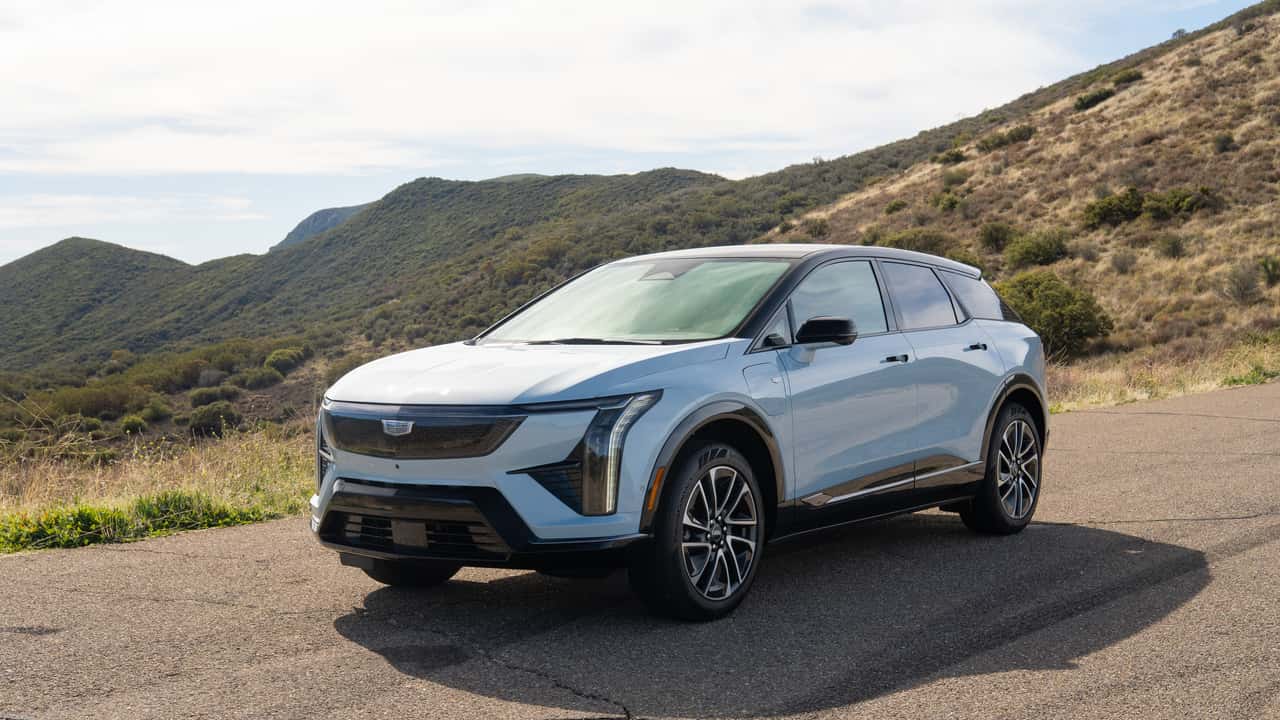
| Cadillac Lyriq | 102 kWh | ~40 Minutes | $58,595 |
New Specs: LFP Chemistry and NACS Ports
The 2027 Bolt isn’t just a refresh; it’s a total technical overhaul.
- LFP Battery: The new model switches to Lithium Iron Phosphate (LFP) chemistry. These batteries are more durable and can be charged to 100% daily without the degradation issues of older NMC batteries.
- NACS Standard: The Bolt will be one of the first GM vehicles to come standard with the NACS (Tesla-style) port, allowing it to use the Supercharger network without an adapter.
- Range: Expect an EPA-estimated range of approximately 250–255 miles.
Impact on GM’s Lineup
The Bolt’s performance is a “wake-up call” for the industry. It proves that massive battery packs are often a liability for daily charging convenience.
- The Daily Driver: For city dwellers and commuters, the Bolt’s ability to “sip” electricity efficiently makes it a more practical choice than heavy, high-voltage trucks.
- The “Boltage” Tagline: Enthusiasts are already calling this technical edge “Boltage,” noting that efficiency matters just as much as peak power.