
EV Sales Crashed 41% in January—But These Brands Still Grew
The American electric vehicle market faced a harsh “reality check” at the start of the year. According to data from S&P Global Mobility, electric car registrations in the United States plummeted by 41% in January 2026 compared to the same period last year.
This decline follows a major policy shift: the cancellation of the $7,500 federal tax credit on September 30, 2025. Consequently, the EV market share has slipped to just 5.1%, down from 8.3% a year ago. As pure electric sales cooled, buyers pivoted toward hybrids, which saw their market share climb to nearly 15%.
The “Survivors”: Brands That Bucked the Trend
While legacy giants like Ford and Tesla saw significant pullbacks, a few manufacturers managed to find growth in this challenging environment.
- Lucid Motors: Despite the broader market crash, Lucid recorded a solid increase in registrations. This growth is attributed to aggressive pricing adjustments and the arrival of the highly anticipated Gravity SUV.
- Toyota: Known for its hybrid-first approach, Toyota’s small stable of electric offerings actually grew by 34.5% in January.
- Lexus & Subaru: Both brands reported month-over-month gains, largely because they are starting from a smaller base and filling specific niches.
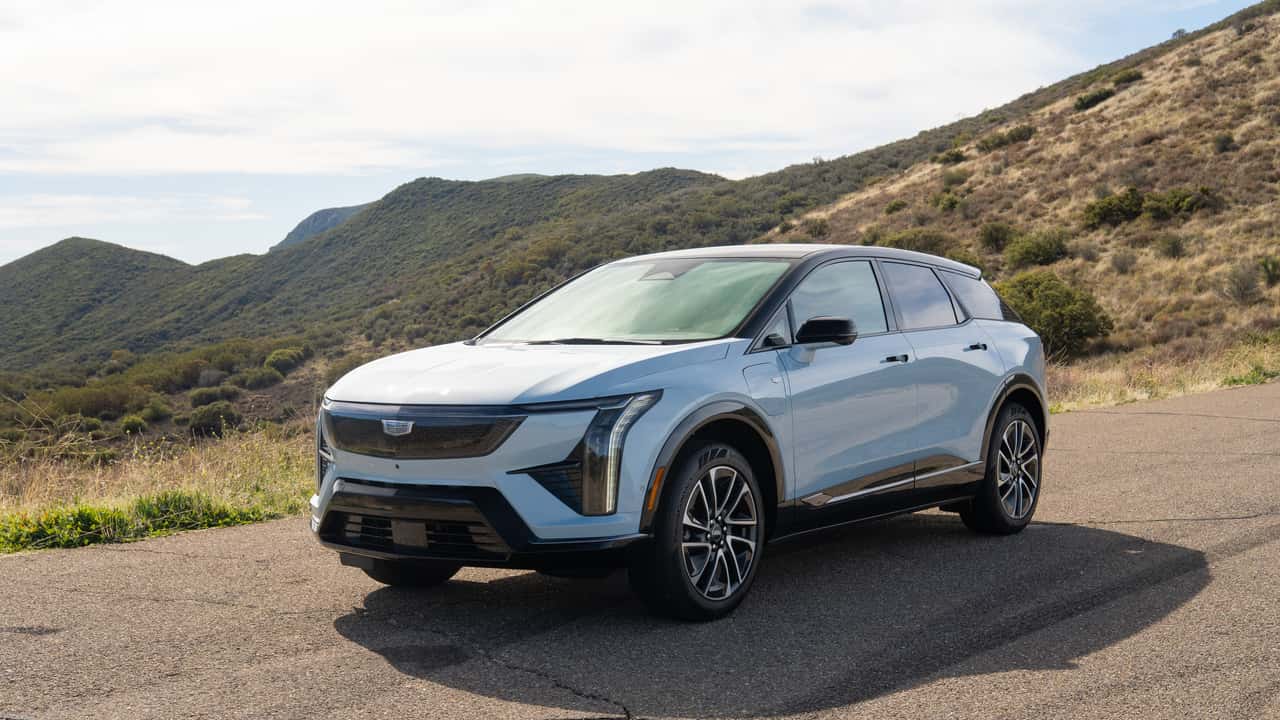
- Cadillac: The Lyriq continued to show resilience, helping Cadillac maintain a top-five volume spot even as other luxury competitors faltered.
The Casualties: Major Declines and Cancellations
The lack of federal incentives has forced automakers to re-evaluate their entire EV strategies. This has led to high-profile “write-downs” and the death of several models.
- Ford: The F-150 Lightning—formerly America’s best-selling electric pickup—has been discontinued as Ford pivots toward hybrids.
- Tesla: While it remains the market leader with a 60% share, Tesla’s registrations fell 17% month-over-month. The company also confirmed it will phase out the Model S and Model X in the second quarter of 2026.
- Honda & Ram: Both brands have officially canceled their flagship EV projects, effectively killing billions of dollars in previous investments.
Why the Sudden Shift?
The “January Crash” is the result of three converging factors:
- Price Sensitivity: Without the $7,500 tax credit, the price gap between EVs and gas cars became too wide for the average consumer to bridge.
- Policy Changes: The removal of fuel economy penalties (CAFE standards) means manufacturers are no longer “forced” to sell money-losing EVs to offset gas-guzzling trucks.
- Hybrid Dominance: Consumers are increasingly choosing hybrids as a “middle ground” to avoid charging anxiety while still reducing fuel costs.