
Nepal Introduces Clean Infrastructure Fee on EV Imports for Charging and Battery Recycling
This structural shift fully replaces the old excise duties previously imposed on electric vehicles. Under the new finance bill, the government is completely decoupling EV taxation from peak motor power (kilowatts). Instead, the state has implemented a transparent, price-driven mechanism determined entirely by the vehicle’s customs-declared Cost, Insurance, and Freight (CIF) monetary value. Because the prior kilowatt slabs triggered persistent declaration disputes, this price-based classification sets a much clearer framework for funding sustainable green infrastructure.
Table of Contents
- Uniform 20% Flat Customs Baseline
- The Layered Clean Infrastructure Fee Structure
- Financing Local EV Infrastructure and Ecosystems
- Market Impact and Price Adjustment Tracking
Uniform 20% Flat Customs Baseline
Before the new infrastructure levy is applied, all imported electric four-wheelers will pass through a simplified, streamlined customs procedure.
- Flat Import Rate: Every incoming electric car is now subject to a uniform 20 percent customs duty calculated on its CIF value.
- Replacing Tiered Tariffs: This uniform structure replaces the previous tiered customs framework. Previously, customs duties varied sharply from 15 percent up to 80 percent based entirely on motor capacity.
- Standard Additional Fees: In addition to customs, imported electric four-wheelers will continue to incur a fixed five percent road construction duty alongside a standard 13 percent value-added tax (VAT).
The Layered Clean Infrastructure Fee Structure
The newly introduced clean infrastructure investment fee scales up progressively based on the vehicle price bands. Customs offices calculate the layered levy on the taxable value immediately after basic customs duties are figured.
The progressive investment fee scales across the following value segments:
| Customs Value Threshold (CIF) | Applied Infrastructure Levy | Target Market Segment |
| Up to रू 20 Lakh | 2.5% | Entry-level mass-market commuters |
| रू 20 Lakh to रू 30 Lakh | 20.0% | Mid-range family hatchbacks & crossovers |
| रू 30 Lakh to रू 40 Lakh | 35.0% | Premium consumer choices |
| रू 40 Lakh to रू 50 Lakh | 90.0% | Executive and tech-heavy models |
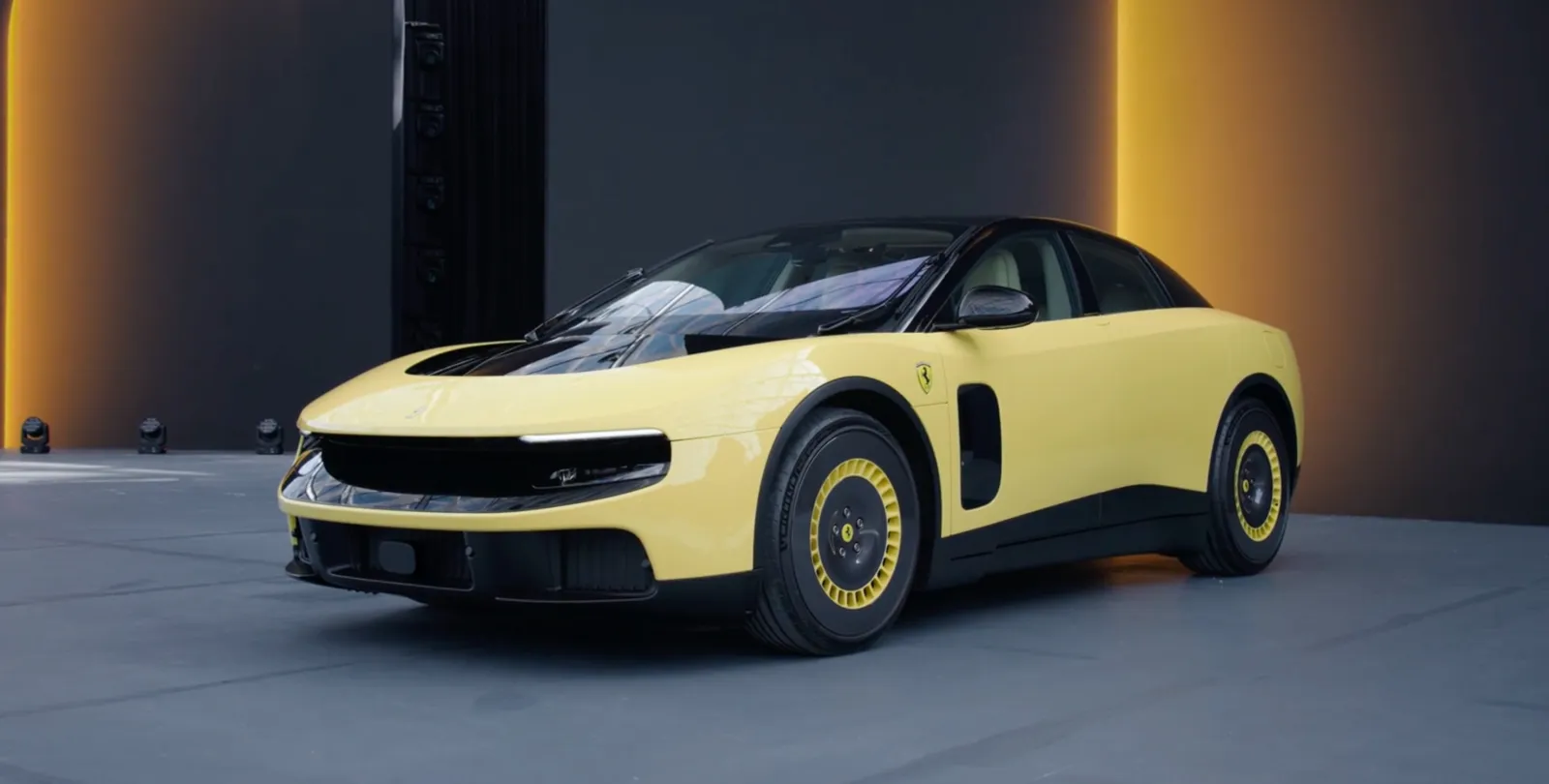
| Above रू 50 Lakh | Up to 130.0% | Flagship luxury electric SUVs |
Operational Note: While early drafts of the Economic Bill briefly omitted the explicit labels for the intermediate 2 million to 3 million rupee price bracket, the Ministry of Finance swiftly clarified that the clean infrastructure fee for that specific band remains strictly set at 20 percent.
Financing Local EV Infrastructure and Ecosystems
The creation of this dedicated fund directly addresses a primary bottleneck in Nepal’s green transition: regional infrastructure. By funneling import revenue into a specialized clean investment pocket, the government aims to expand fast-charging grids far outside the Kathmandu Valley.
Furthermore, the fund provides a permanent financial reservoir for localized battery management systems and eco-friendly recycling centers. This proactively ensures that old lithium-ion packs do not pose a hazardous waste issue as early-generation EVs reach the end of their functional lifecycles.
Market Impact and Price Adjustment Tracking
As a direct consequence of this value-based tax restructuring, retail prices across Nepal’s automotive market will see highly contrasting adjustments.
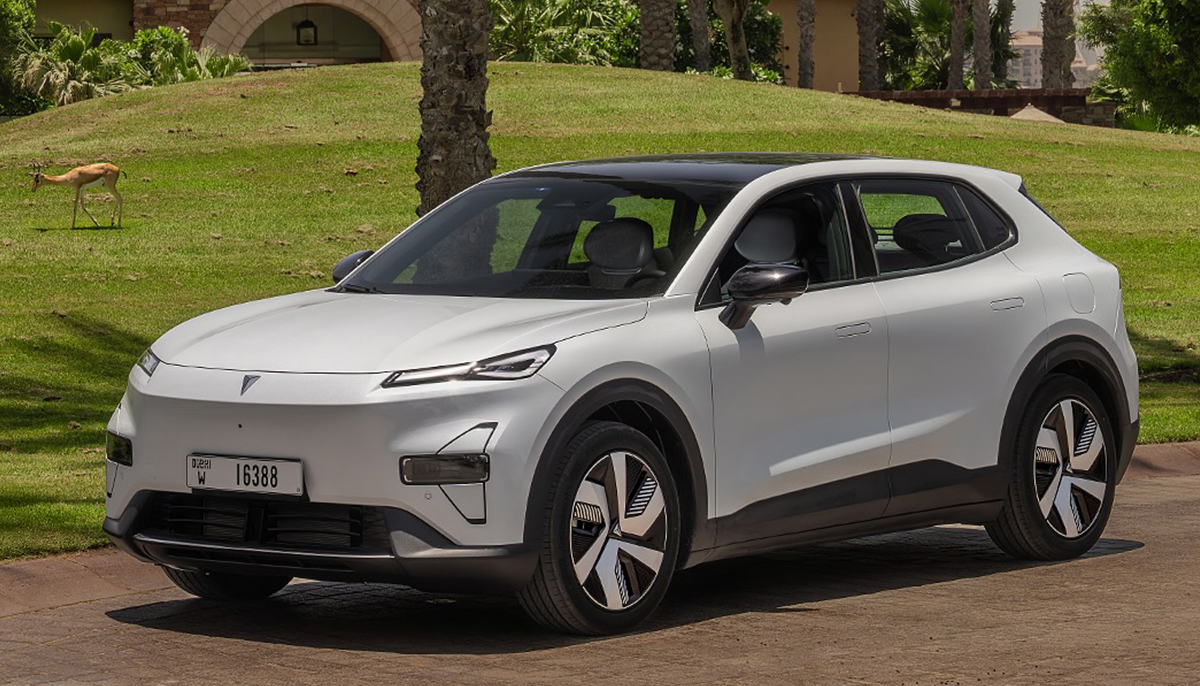
Automotive entrepreneurs report that budget-friendly, entry-level electric cars will experience a minor retail increase of roughly रू 1,00,000. In stark contrast, high-end, executive luxury EVs face a heavy tax overhead under the progressive infrastructure slabs. Consequently, showroom stickers for premium luxury models are projected to spike significantly, with some luxury variants rising by up to रू 40 Lakh.
To see exactly how this updated value-based fee changes the current showroom pricing of recently arrived models like the Deepal S05 Plus, track the updated price index at Bijulidai. Alternatively, secure high-efficiency home charging hubs and essential EV adapters before the new tariff shifts adjust local retail stock at Oliz Store.