Hyundai Deploys 1,500-Unit Eco-Friendly Fleet and Advanced Robotics Systems for FIFA World Cup 2026
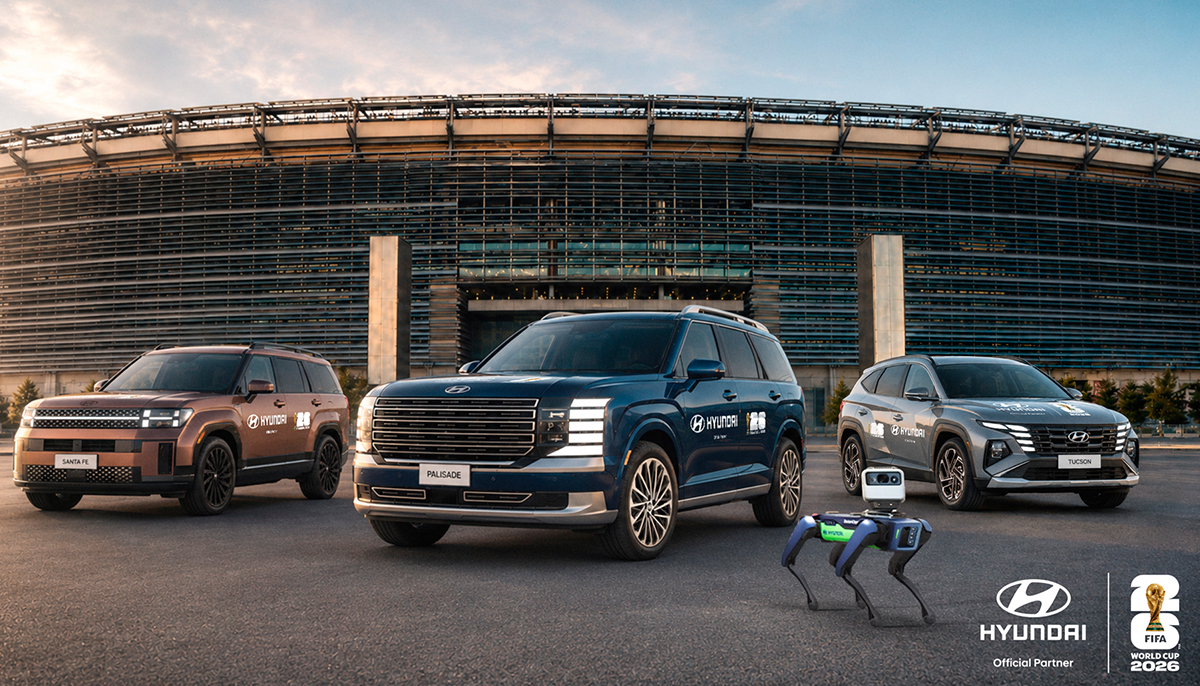
The intersection of global sports entertainment and sustainable transportation technology has reached a monumental milestone. Hyundai Motor Company, the official mobility partner of soccer’s biggest tournament, has announced its most ambitious logistical deployment in sporting history.
To ensure seamless transit across host cities, the automotive giant is rolling out a massive 1,500-unit eco-friendly vehicle fleet alongside automated robotics systems for the FIFA World Cup 2026. This comprehensive operations strategy completely rewrites the playbook for carbon-neutral event management. Consequently, international fans can expect a highly automated, clean-energy commuting experience from the opening whistle to the final match.
Table of Contents
- A Scaled Operational Vision for Low-Emission Transit
- The Complete Breakdown of the Eco-Friendly Fleet Mix
- Deploying Intelligent Robotics Systems for Field Support
- Autonomous Commuter Corridors and Fleet Tracking Control
- Reshaping the Legacy of Major Global Sporting Events
A Scaled Operational Vision for Low-Emission Transit
Hyundai is officially supercharging its localized green mobility footprint to handle the intense logistics of the expanded 48-team tournament layout. For a long period, international tournaments relied heavily on high-emission, diesel-powered coaches and traditional combustion-powered sedans. However, the manufacturing giant is completely dismantling that old operational blueprint.
Instead, the company aims to achieve a completely net-zero transportation infrastructure across all major stadium corridors. By scaling up vehicle availability right as cities demand cleaner public transit options, the automaker is capitalizing beautifully on modern charging networks. Therefore, this strategic positioning allows the organization to showcase a highly resilient framework for long-term urban fleet electrification on the biggest stage in the world.
The Complete Breakdown of the Eco-Friendly Fleet Mix
The defining anchor of this massive global push remains the strategic distribution of highly intelligent, battery-powered model lineages. Rather than utilizing basic hybrid commuter cars, Hyundai is deploying purpose-built zero-emission machines built on sophisticated dedicated EV platforms.
The eco-friendly vehicle matrix scales up across three primary tiers:
| Vehicle Classification | Model Series Utilized | Primary Operational Role |
| Pure Electric (BEV) | IONIQ 5 & IONIQ 6 | Transports FIFA VIPs, international referees, and corporate staff |
| Hydrogen Fuel Cell (FCEV) | NEXO Crossovers | Operates as long-distance media shuttles between distant venues |
| Eco-Friendly Mass Transit | Elec City Electric Buses | Commutes large waves of ticket holders safely from train hubs |
Furthermore, the vehicle lineup draws massive operational strength from the award-winning IONIQ sub-brand. These models utilize an incredibly potent high-voltage architecture. As a result, drivers can access rapid charging speeds to minimize turnaround time between stadium matches.
Deploying Intelligent Robotics Systems for Field Support
Massive infrastructure upgrades extending far beyond traditional automobiles are driving this continuous product offensive. To prevent security bottlenecks and stabilize stadium management, parent entities are pouring substantial technical resources directly into advanced automated machinery.
Specifically, Hyundai will deploy specialized robotic equipment across major hospitality zones. Boston Dynamics’ famous Spot quadruped robots will assist safety teams by conducting automated security sweeps around stadium perimeters. On top of that, Atlas humanoid robots and automated logistics dollies will work behind the scenes inside massive media distribution hubs. This extensive industrial integration handles heavy equipment lifting seamlessly. Consequently, it protects human operators from fatigue and minimizes logistical errors.
Autonomous Commuter Corridors and Fleet Tracking Control
Inside the main tournament zones, the mobility team is stripping away human driving error to forge a premium, distraction-free environment. For instance, selected stadium routes will feature fully autonomous level-4 robotaxis to shuttle athletes quickly within secure compound zones.
| Smart Logistics Element | Operational Capability | Core Efficiency Benefit |
| Real-Time Fleet Telematics | Central AI Command System | Monitored routing cuts idle traffic waiting times |
| V2L Power Support | IONIQ Vehicle-to-Load Tech | Supplying remote power blocks for broadcast fields |
| High-Output Fast Hubs | Temporary Mobile Solar Stations | Refuels battery packs up to 80% in 18 minutes flat |
Moreover, specialized software tracks the absolute health and energy metric of every operating motor unit. This data streams directly to a central cloud network. As a result, tech crews can proactively service vehicles before any transit interruption occurs.
Reshaping the Legacy of Major Global Sporting Events
Hyundai plans to leverage this massive organizational milestone to prove that large-scale clean energy transit is fully viable today. By matching premium global hardware with an airtight infrastructure setup, the brand is successfully converting skeptical event planners into green mobility advocates.
Ultimately, this historical deployment will fundamentally rewrite the environmental expectations for upcoming global spectacles. By demonstrating how smart hardware and automated software can comfortably manage millions of active commuters, Hyundai is successfully shaping the future of global clean energy transportation.
To calculate how these incoming international smart fleet trends hold up against changing local eco-commuter updates, follow the continuous tracking feeds over at Bijulidai. Alternatively, discover certified high-output home garage accessories, smart multi-ports, and premium vehicle preservation kits today at Oliz Store.