New EV Tax in Nepal 2026: How the Price-Based Overhaul Impacts Every Electric Vehicle Segment
The era of kilowatt-based electric vehicle (EV) taxation in Nepal is officially over. In the newly unveiled budget for the fiscal year 2026/27 (FY 2083/84), Finance Minister Dr. Swarnim Wagle announced a structural paradigm shift that completely removes peak motor capacity ($kW$) from the tax calculation.
Instead, Nepal has introduced a purely value-based (CIF price-driven) import tax structure.
While the change simplifies a highly criticized customs framework on paper, it introduces a brand-new Clean Infrastructure Investment Fee (CIIF). The new framework heavily favors entry-level electric cars, but creates massive, compounding price hikes for mid-range, premium, and luxury electric models entering the Nepali market.
Old Kilowatt vs. New Price-Based System at a Glance
Previously, your EV’s tax bracket was determined solely by its peak motor output, creating loopholes where premium luxury models with smaller motors bypassed heavy duties.
Under the new 2026 fiscal regime, a flat 20% customs duty is applied across all electric passenger vehicles based on their Cost, Insurance, and Freight (CIF) value. The old excise duty slabs have been entirely scrapped and replaced by a tiered Clean Infrastructure Levy.
The New 2026 EV Tax Slabs (CIF Value-Based)
| Vehicle CIF Value Bracket | Clean Infrastructure Investment Fee (CIIF) | Price Impact Trend |
|---|---|---|
| Up to Rs 20 Lakh | 2.5% Levy | Marginally affected / Affordable |
| Rs 20 Lakh to Rs 30 Lakh | 20% Levy | Moderate price increase |
| Rs 30 Lakh to Rs 40 Lakh | 35% Levy | Noticeable price hike (Popular mid-range |
| )Rs 40 Lakh to Rs 50 Lakh | 90% Levy | Heavy price jump |
| Above Rs 50 Lakh | 130% Levy | Severe price inflation (Luxury segment) |
Note: On top of the flat 20% customs duty and the tiered CIIF, imported EVs will continue to attract the 5% Road Construction Fee and 13% Value Added Tax (VAT). For the highest bracket, the total effective tax burden can spike up to a staggering 178%.
Real-World Market Impact: Which Cars Get Hit Hardest?
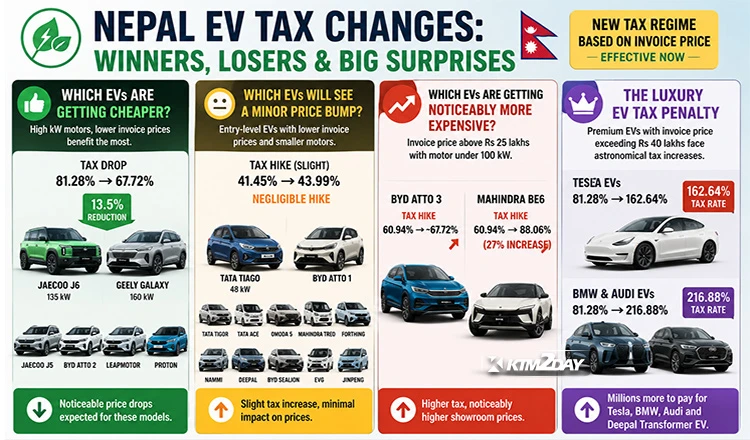
Because the Clean Infrastructure Fee rises so sharply beyond the Rs 30 Lakh CIF valuation mark, standard family SUVs and premium models will see immediate retail sticker shocks at local dealerships.
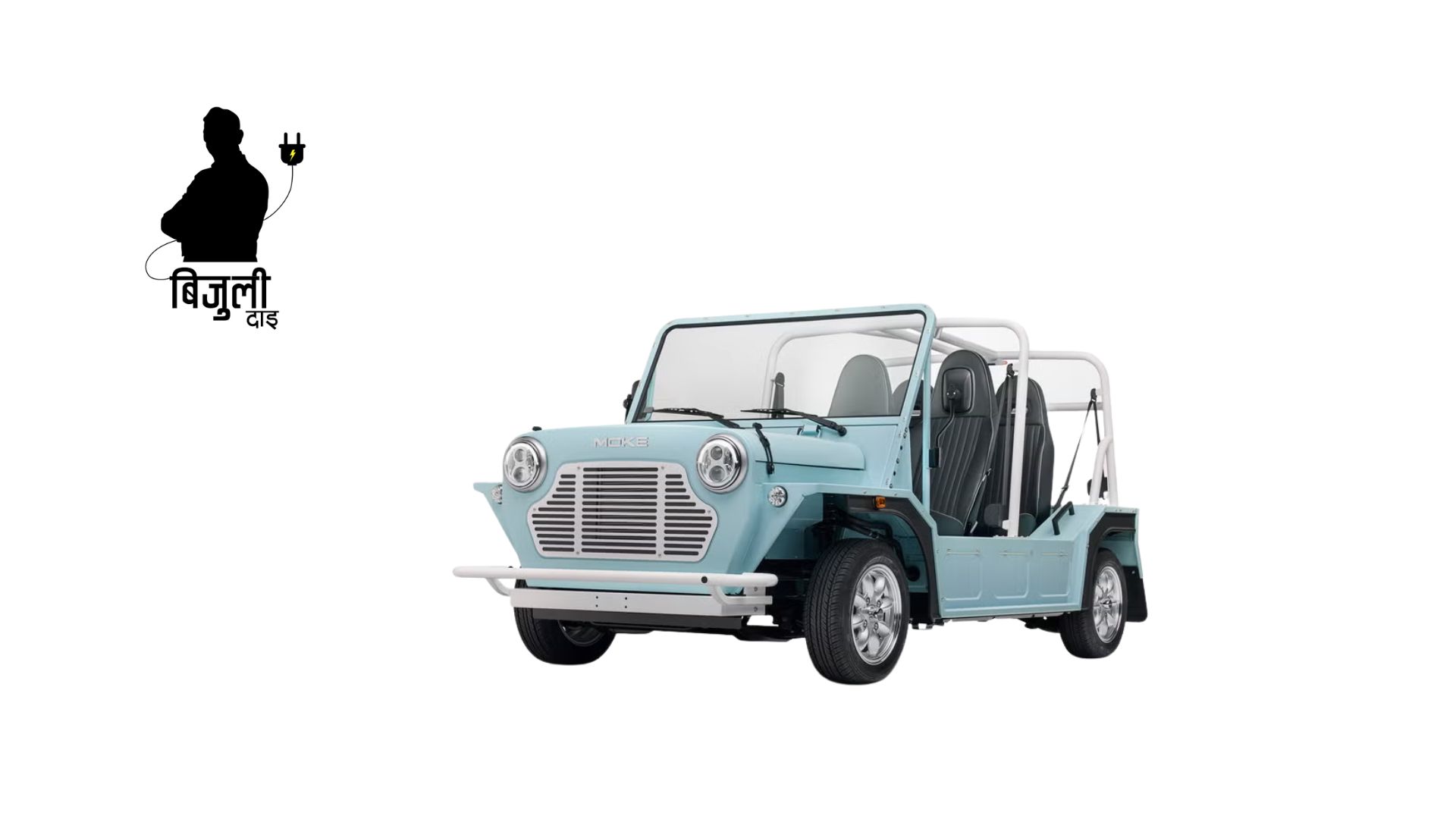
1. Budget and Entry-Level Micro EVs (Wuling MINIEV, MG Comet)
Entry-level micro-EVs with a customs valuation under Rs 20 Lakh are the absolute winners of this budget. Facing a baseline 2.5% levy alongside the 20% customs duty, these practical city commuters will remain highly competitive, ensuring that affordable urban mobility stays within reach for everyday Nepali buyers
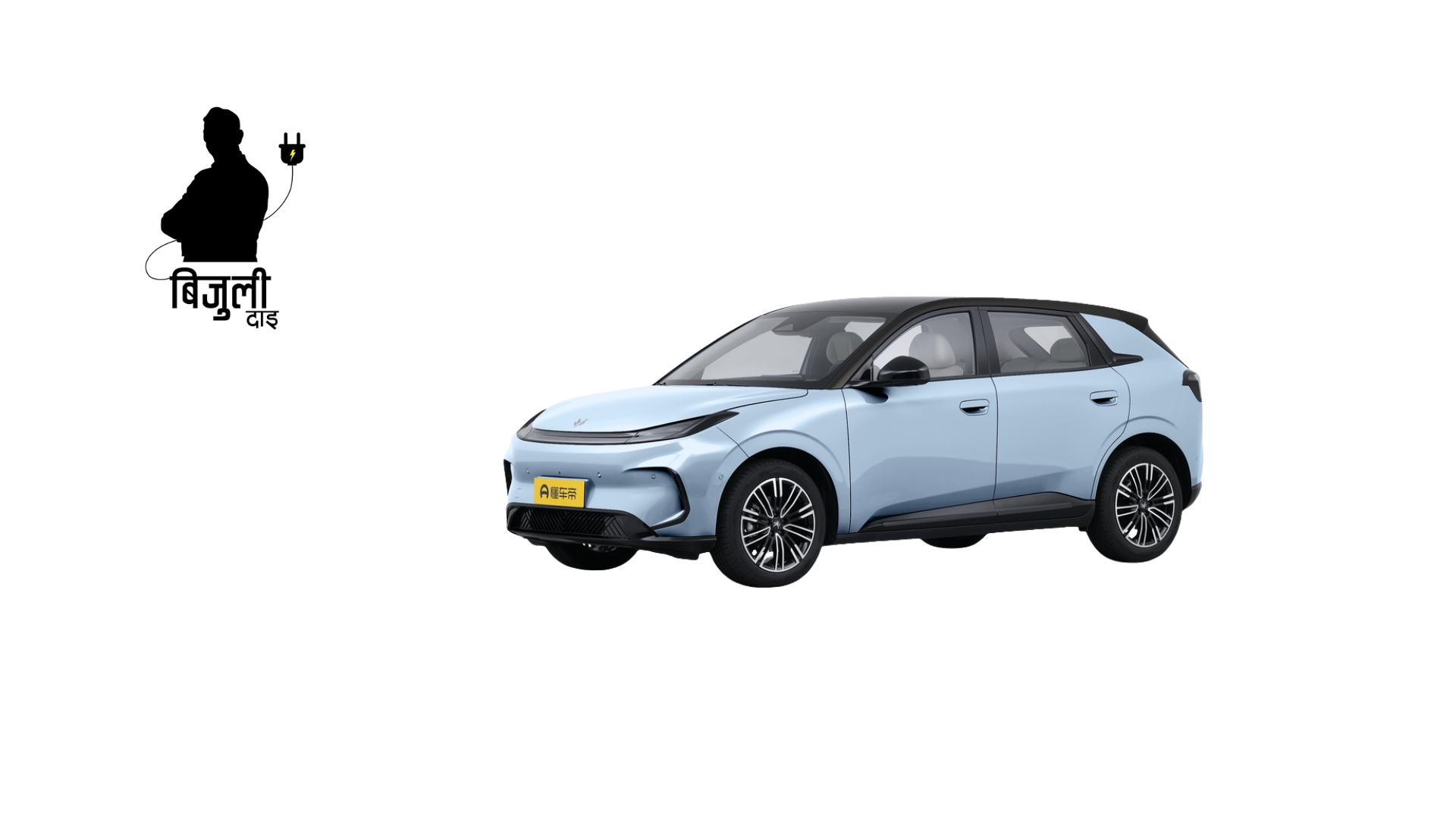
2. Popular Mid-Range SUVs (BYD Atto 3, Deepal S07, Omoda E5)
This is where the new tax system will be felt most by the expanding middle class. Popular family electric SUVs generally fall into the Rs 20–30 Lakh or Rs 30–40 Lakh CIF value brackets.
- Expected Hikes: Authorized distributors indicate that even highly localized, standard variants from top brands like BYD, Omoda, and Deepal will likely see price adjustments upward by Rs 200,000 to Rs 400,000.
- The Exchange Rate Risk: Because the tax brackets are strictly defined in Nepali Rupees (NPR) but vehicles are imported in US Dollars (USD), daily currency fluctuations mean a vehicle model could unexpectedly jump into a higher, more aggressive tax slab while sitting at the border.
3. Luxury and Premium EVs
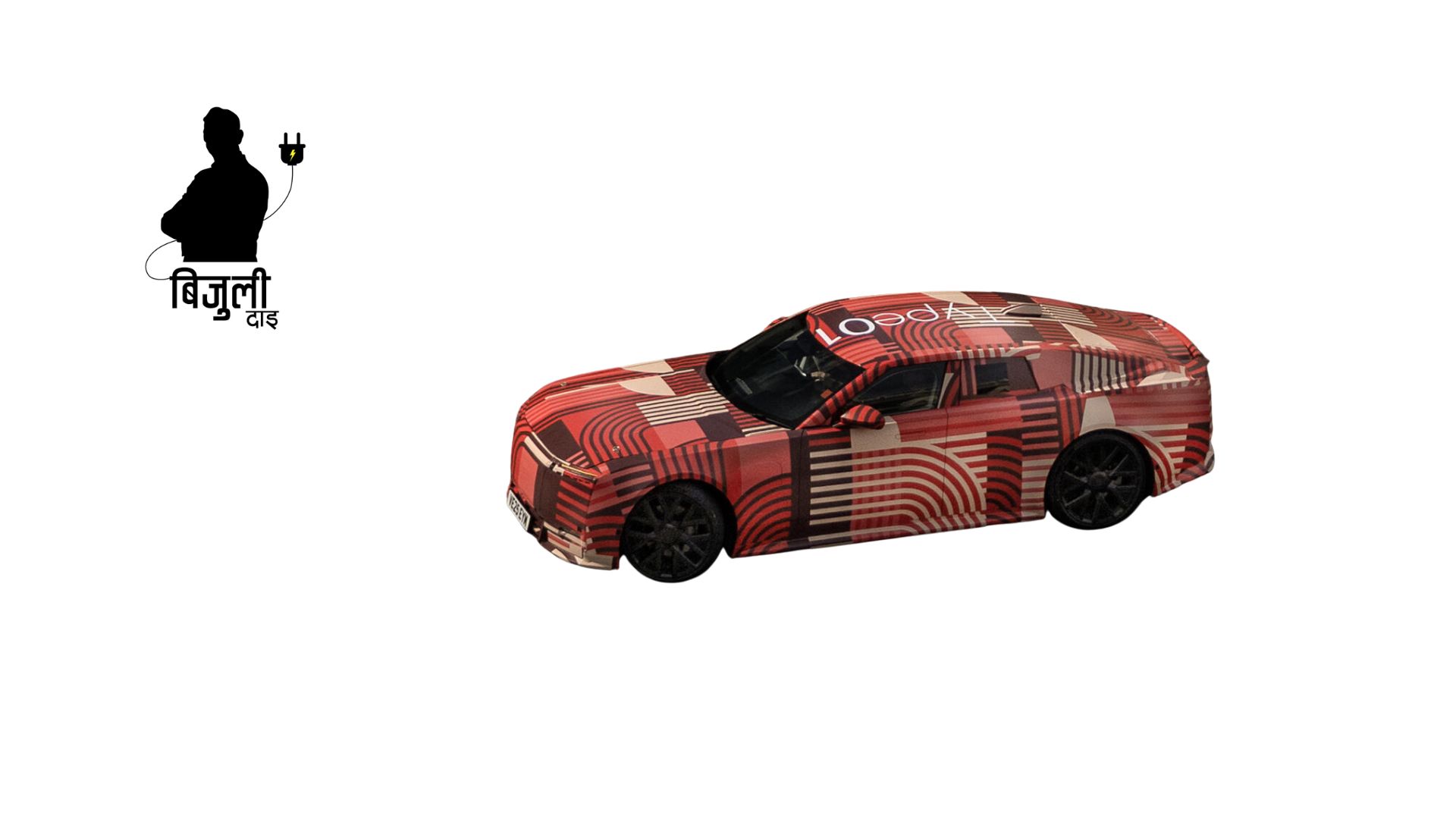
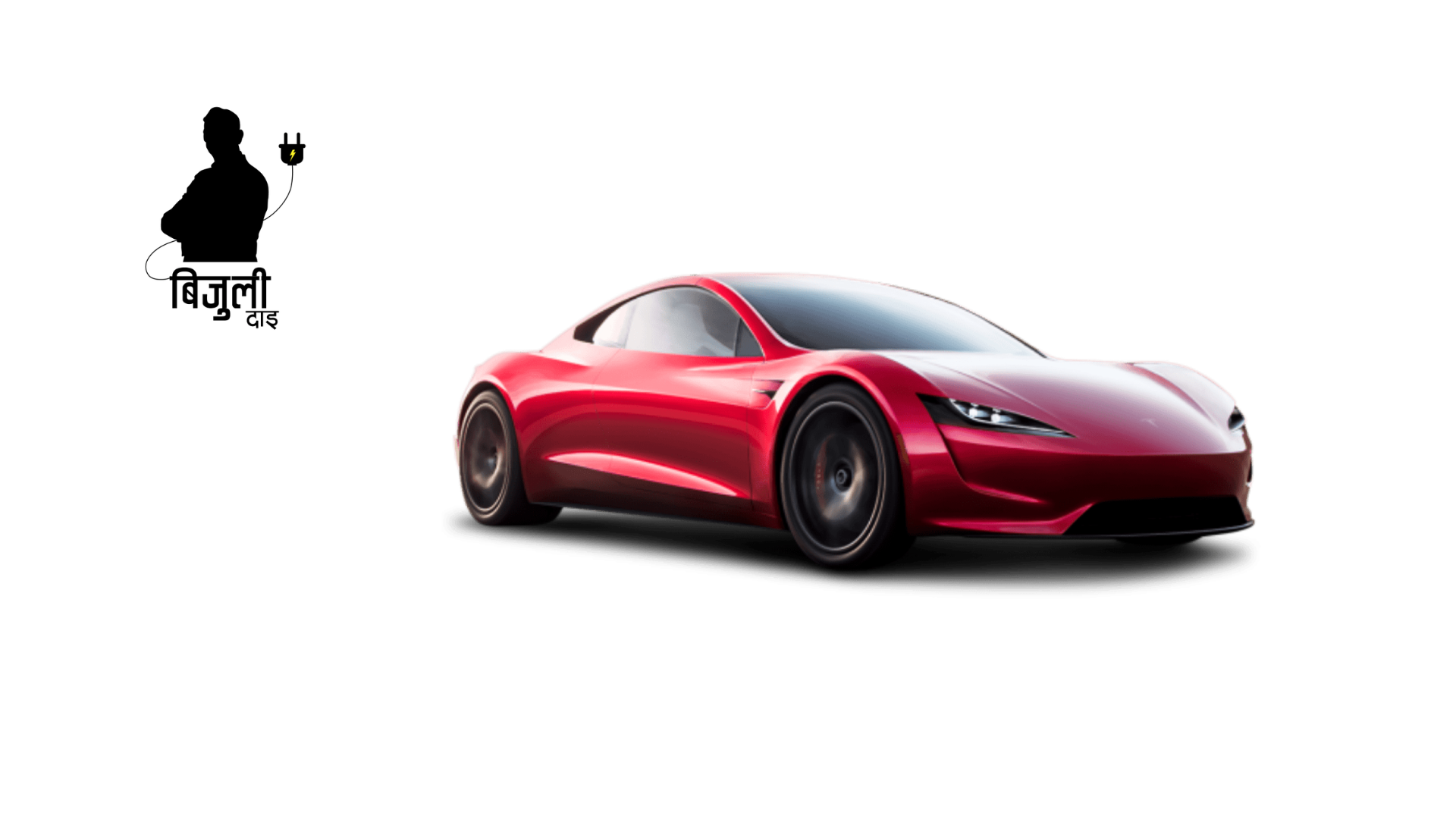
The government has sent a clear message that luxury electric vehicles will be treated identically to high-end fossil-fuel vehicles. Premium models with an import value exceeding Rs 50 Lakh face a punishing 130% infrastructure levy. Industry representatives project that premium electric models previously retailing around Rs 70 Lakh could see their final showroom prices inflate by Rs 2 Million to over Rs 10 Million, effectively disrupting the luxury EV market space in Nepal.
Why Has the Government Overhauled the System?
According to the Ministry of Finance, the primary intent behind the Clean Infrastructure Investment Fee is to establish a self-sustaining funding ecosystem for green mobility.
The revenue pooled from this dedicated levy is explicitly earmarked to finance the massive expansion of public charging stations across highways, establish domestic battery management and recycling systems, and offer subsidies to local EV assembly plants. Additionally, the budget provides a 1% customs duty concession on machinery imported to manufacture or build EV chargers locally.