

Automobile Sector Raises Concerns Over MRP Sticker Mandate in Meeting with Minister
The delegation, led by NADA President Surendra Kumar Uprety, expressed strong support for the government’s goal of market transparency. However, they emphasized that the current “one-size-fits-all” implementation is practically impossible for the automotive sector under existing infrastructure.
Table of Contents
- The “Impractical” Customs Mandate
- Logistical Nightmares for Spare Parts
- The Rise of Local Assembly (CKD)
- Government Response and Policy Deferral
The “Impractical” Customs Mandate
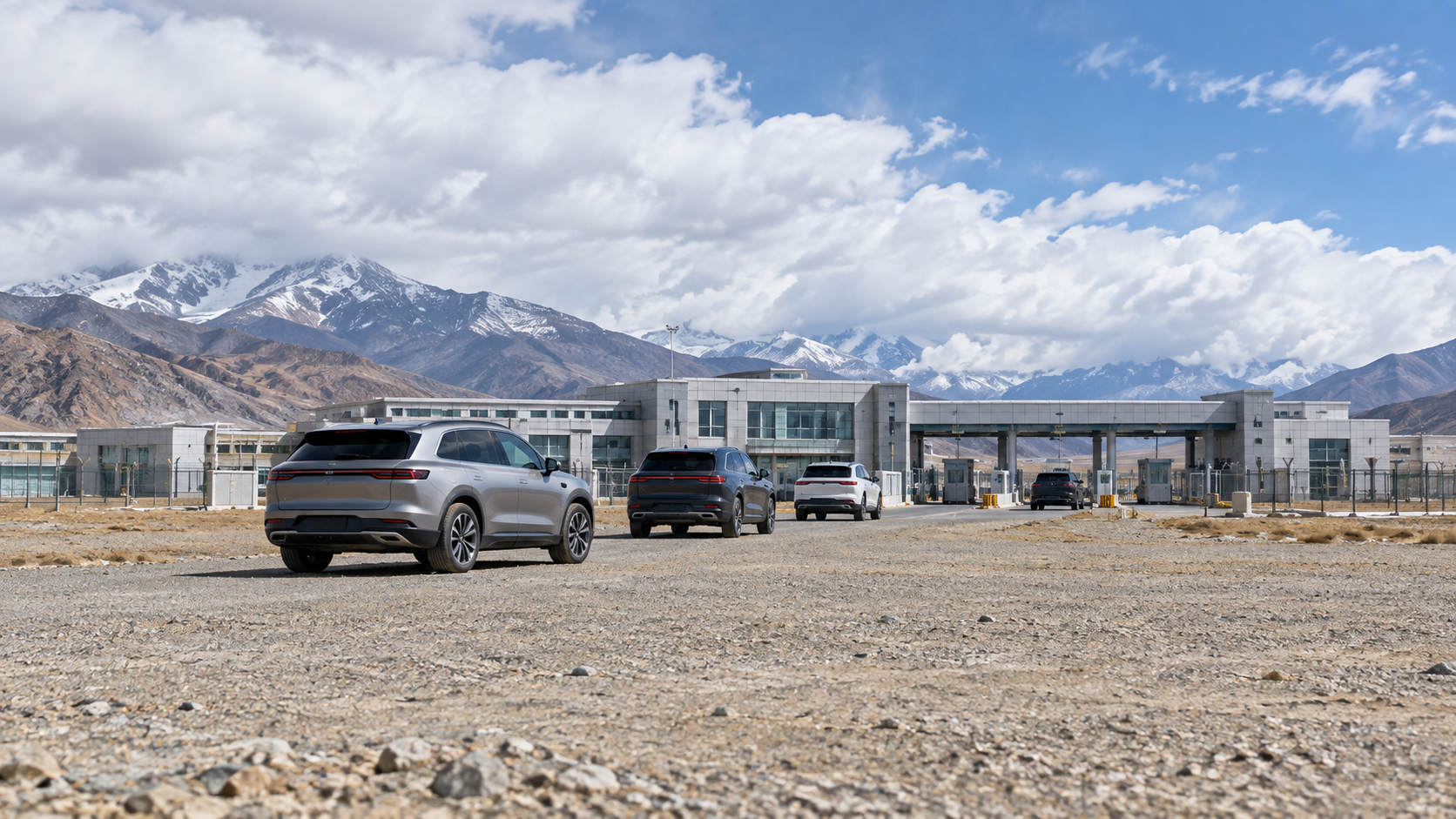
The Department of Commerce, Supplies and Consumer Protection recently mandated that all imported goods must carry MRP stickers before clearing customs. Consequently, thousands of containers were reportedly stuck at various border points, including Birgunj and Bhairahawa, as traders found the rule impossible to follow immediately.
- Transparency vs. Reality: NADA acknowledged that MRP labeling could curb under-invoicing and improve revenue collection.
- Initial Proposal: NADA Vice President Abhik Jyoti reminded the ministry that the industry originally proposed the MRP concept to help organize the market.
- Revenue Impact: Protesters warn that stalling imports will lead to a significant drop in customs revenue, which reportedly fell by up to 90% during the initial days of enforcement.
Logistical Nightmares for Spare Parts
The primary concern for the automotive sector involves spare parts, which often arrive in bulk, consolidated shipments.
- Bulk Imports: A single shipment may contain hundreds of different small components. Unpacking and labeling each item individually at the border is time-consuming and labor-intensive.
- Missing Infrastructure: Nepal currently lacks bonded warehouses at customs yards where such large-scale labeling operations could safely occur.
- Risk of Damage: Unpacking precision components in open customs yards increases the risk of contamination or physical damage to sensitive parts.
The Rise of Local Assembly (CKD)
The association also highlighted that the automotive ecosystem in Nepal is no longer just about imports. Specifically, many two-wheelers and four-wheelers are now being manufactured locally under the CKD (Completely Knocked Down) model.
- Domestic Production: Factories in Nepal already produce essential components like tyres, lubricants, and batteries.
- Complex Chains: For locally assembled vehicles, parts move through complex supply chains that do not fit the traditional “import-and-label” model used for finished consumer goods.
- Call for Flexibility: NADA urged the government to recognize these differences and provide a nuanced framework that supports local manufacturing.
Government Response and Policy Deferral
In response to these valid concerns, Minister Gauri Kumari Yadav assured the delegation that the government is open to reviewing the policy’s practical aspects.
- Temporary Postponement: The Minister indicated that the government might defer the implementation for a limited time to resolve immediate bottlenecks.
- Revised Rules: Reports suggest the government may move toward a “self-declaration” model, allowing importers to declare prices at customs but apply stickers later at their own warehouses.
- Collaborative Framework: Further decisions will follow additional evaluations to ensure the policy remains private-sector-friendly while meeting transparency goals.
For more updates on Nepal’s automotive policy or to stay informed on the latest vehicle tech, follow Bijulidai or explore the latest smart gadgets at Oliz Store.