

BMW iX1 Price Skyrockets in Nepal: Premium EV Faces Massive Rs 1.30 Crore Hike Under New Tax Regime
This introductory article explores the staggering price adjustment affecting one of Nepal’s most prominent luxury electric sports activity vehicles (SAVs). We examine the real-world financial data, unpack the underlying policy modifications introduced by the Ministry of Finance, and evaluate how these steep premium levies are altering the high-end vehicle market.
Table of Contents
- A Stunning Fiscal Leap For Premium Electric Mobility
- A Closer Look at the Luxury Price Realignment Data
- Deconstructing the Value-Based Tax Calculation Shift
- High-Performance Hardware and Premium Standard Specs
- The Tough Commercial Landscape Ahead for Premium Imports
A Surprise Shockwave for Luxury Electric Mobility
Laxmi Premium Motors, the sole authorized distributor of BMW vehicles in Nepal, has officially adjusted its luxury portfolio pricing. Consequently, the premium automotive segment is feeling the immediate pressure of the government’s newly enacted fiscal year 2083/84 (2026/27) budget guidelines.
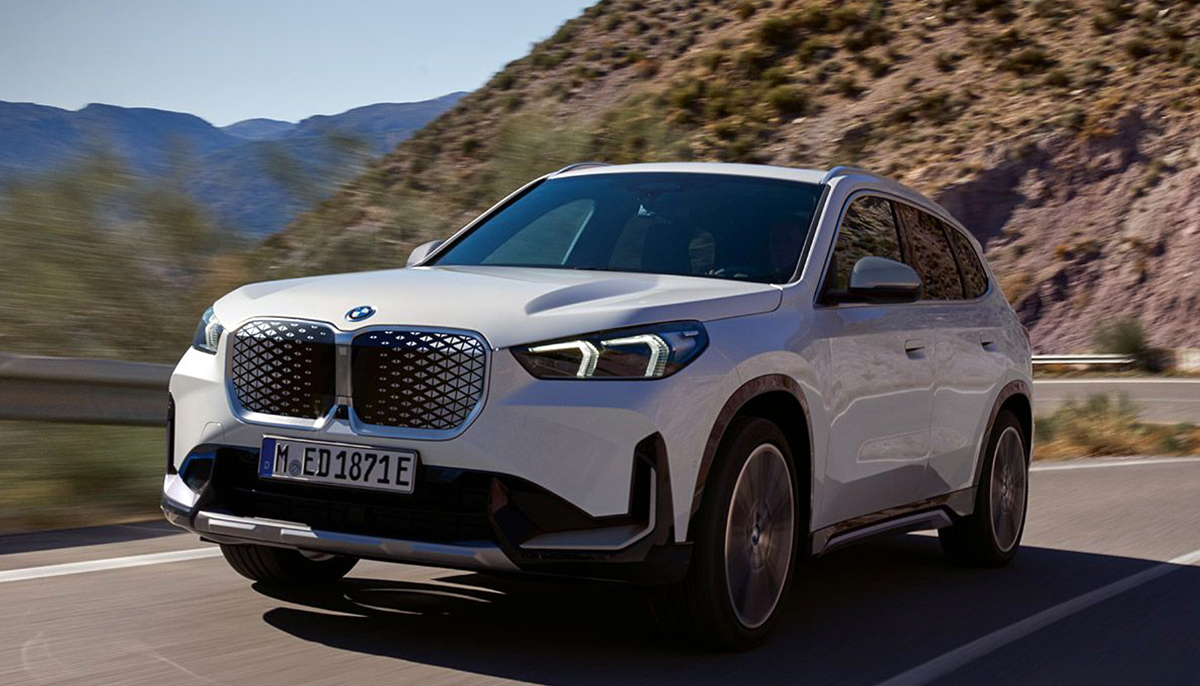
The defining headline of this retail restructuring centers on the BMW iX1 eDrive20, which faces a dramatic Rs 1.30 Crore price surge in local showrooms. Previously, premium buyers could secure this sophisticated German electric model at an introductory market rate of Rs 1,99,96,000. However, the revised taxation framework pushes the entry requirement to a staggering new high, effectively signaling an end to affordable luxury EV imports.
A Closer Look at the Luxury Price Realignment Data
The sheer magnitude of this adjustment makes it one of the most drastic individual vehicle price hikes recorded in the history of the country’s clean-energy transition.
The updated pricing structure shapes up as follows:
| Vehicle Model Variant | Former Retail Rate | Updated Retail Rate | Total Showroom Increase |
| BMW iX1 eDrive20 (xLine) | Rs 1,99,96,000 | Rs 3,29,96,000 | + Rs 1,30,000,000 (1.30 Crore) |
Furthermore, the distributor notes that corresponding price updates will hit other high-end electric models like the larger iX3 series. These adjustments vary strictly according to the declared customs processing invoices of each vehicle batch.
Deconstructing the Value-Based Tax Calculation Shift
This historic retail price jump marks a direct reaction to the government’s complete overhaul of clean vehicle import laws. Specifically, Finance Minister Dr. Swarnim Wagle officially abolished the decade-old system that categorized electric cars according to peak motor power (kilowatt slabs).
Instead, customs checkpoints now evaluate arriving shipments purely based on their declared Cost, Insurance, and Freight (CIF) monetary value. The new framework applies a unified 20 percent customs duty across all segments while introducing a steep, tiered Clean Infrastructure Investment Fee (CIIF).
Because high-end European luxury vehicles cross into the highest valuation brackets, they face an intense 110% to 130% infrastructure levy. On top of that, standard layers like the 5 percent road construction fee and 13 percent Value-Added Tax (VAT) stack directly on top of these compounding calculations, driving final landed costs to unprecedented levels.
High-Performance Hardware and Premium Standard Specs
Despite the challenging premium pricing landscape, the underlying engineering of the BMW iX1 continues to deliver highly advanced zero-emission capabilities.
- The Battery Core: The vehicle relies on a highly advanced 64.78 kWh lithium-ion battery pack neatly integrated flat along the chassis floor.
- Driving Range: It effortlessly achieves a dependable WLTP-certified driving range operating between 430 km and 475 km on a full charge cycle.
- Motor Metrics: Utilizing BMW’s fifth-generation eDrive technology, the single motor pushes out 150 kW (approx. 201 hp) of maximum power and 250 Nm of peak torque.
- Track Acceleration: Drivers can comfortably accelerate from 0 to 100 km/h in a swift 8.6 seconds before reaching an electronically limited top track speed of 170 km/h.
The Tough Commercial Landscape Ahead for Premium Imports
Industry experts observe that this aggressive value-based tax calculation structure will fundamentally rewrite consumer demand patterns. While mass-market commuter vehicles under Rs 50 lakh remain highly stable or enjoy slight price relief, the luxury electric segment is facing a significant market contraction.
Many premium car dealers fear that these multi-crore retail barriers will make high-specification international models commercially unviable for standard corporate buyers. Consequently, high-earning individuals seeking premium European builds will have to absorb massive state-directed fiscal premiums to enjoy luxury zero-emission travel.
To track real-world range data of premium electric sports activity vehicles or to calculate final on-road price estimates across all seven provinces, monitor the logs over at Bijulidai. Alternatively, discover certified high-output home garage chargers, premium smartphone multi-ports, and heavy-duty vehicle protective gear today at Oliz Store.