

EVs Under Rs 50 Lakh Set to Become Cheaper: Finance Minister Wagle
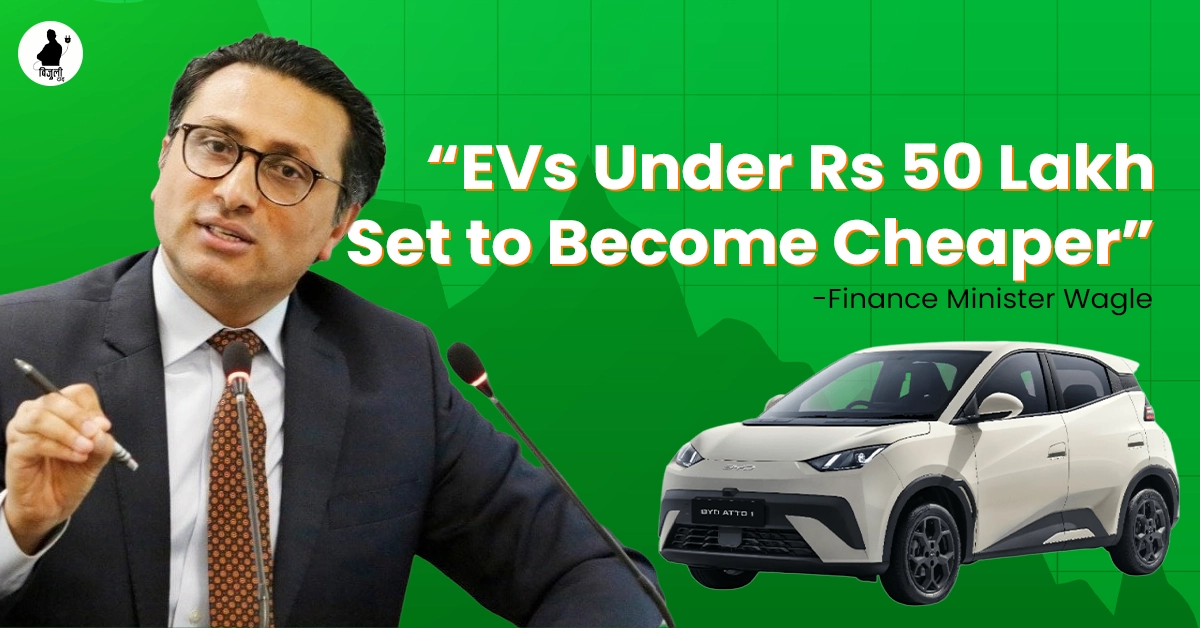
The positive pricing outlook stems directly from a correction regarding the road development fee, alongside a complete pivot to a value-based tax calculation system. While initial interpretations of the new budget sparked fears of across-the-board price hikes, the finalized framework aims to protect mass-market buyers while targeting premium luxury models.
Table of Contents
- The Road Development Fee Correction
- How the Value-Based System Simplifies Costs
- Mass-Market Stability vs. Premium Luxury Hikes
- Balancing Forex Reserves and EV Adoption
The Road Development Fee Correction
During his briefing, Finance Minister Wagle noted that a minor calculation issue in earlier internal budget discussions has been officially corrected. Specifically, the adjustment centers on the application of the road development fee.
Under the finalized guidelines, the government has slashed this fee for entry-level models. The road development fee is now strictly set at 2.5 percent for vehicles landing below the Rs 50 lakh threshold. Conversely, premium electric vehicles sitting above that line will attract a higher 5 percent road development fee.
How the Value-Based System Simplifies Costs
The government is completely abandoning the old, highly controversial peak motor power (kilowatt)-based tax structure. Instead, customs points will evaluate electric vehicles purely on their declared Cost, Insurance, and Freight (CIF) value at the border.
- Flat Customs Baseline: All electric vehicles entering Nepal are now hit with a unified, flat customs duty. Nepal Drives
- Scrapping Old Excise Slabs: This flat baseline officially eliminates the old, complex excise duties that previously fluctuated wildly based on motor size. Nepal Drives
- Consistent Added Taxes: Additionally, a standard 13 percent Value-Added Tax (VAT) will continue to apply directly to the final taxable value, alongside any standard import-related charges. Nepal Drives
Mass-Market Stability vs. Premium Luxury Hikes
By anchoring the entire tax calculation to price rather than motor power, the government is creating a much more progressive automotive landscape.
| Vehicle Category | Price Segment | Primary Tax Impact | Expected Retail Trend |
|---|---|---|---|
| Mass-Market EVs | Below Rs 50 Lakh | Lower 2.5% road fee + progressive levy | Retail prices expected to drop |
| Luxury EV Imports | Above Rs 50 Lakh | Higher 5% road fee + up to 130% levy | Noticeable showroom price hikes |
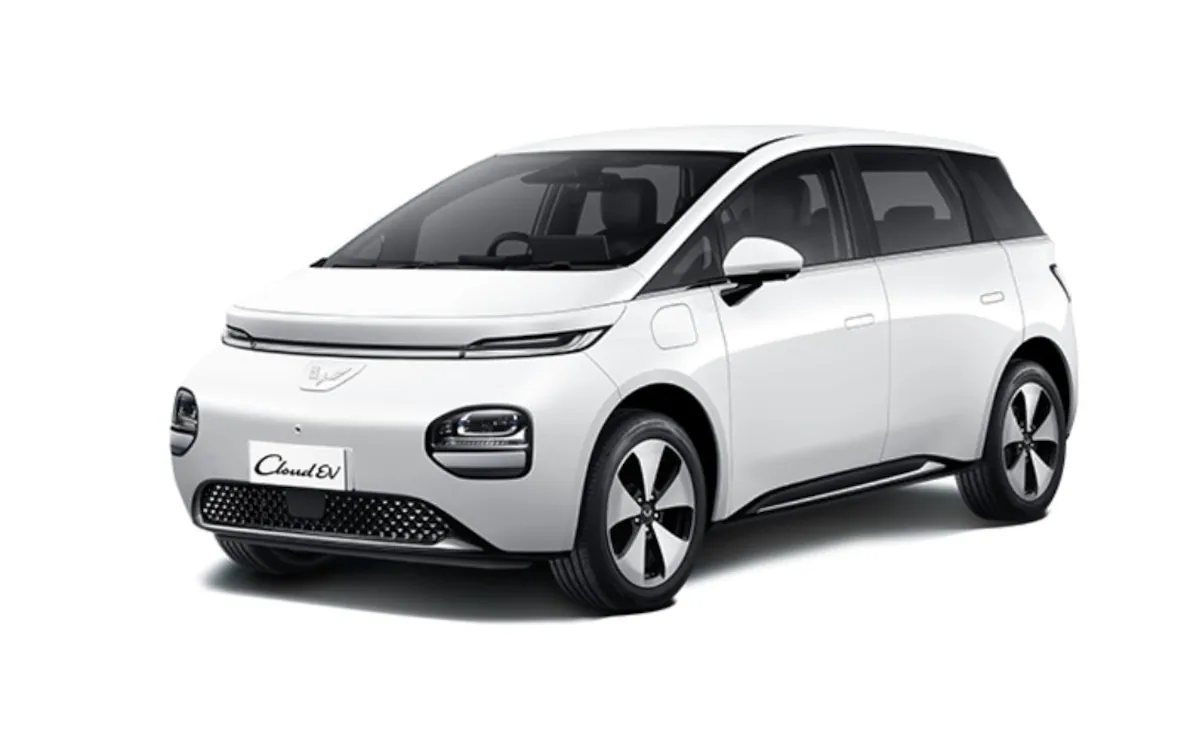
Wagle explained that EVs below Rs 50 lakh fall squarely into the mass-market category. Therefore, the corrected math guarantees that middle-class buyers will enjoy a slight reduction or long-term stability in final retail pricing.
Balancing Forex Reserves and EV Adoption
The Finance Minister acknowledged that early tax incentives played a monumental role in accelerating electric vehicle adoption across Nepal. However, the massive, unchecked surge in premium vehicle imports forced a necessary fiscal recalibration.
High-priced, elite electric SUVs are treated as luxury imports due to their massive foreign exchange outflow. Thus, the revised framework explicitly seeks to support sustainable, everyday EV adoption among middle-class commuters while aggressively taxing luxury consumption profiles to protect the nation’s foreign exchange reserves.
To calculate exactly how these finalized tax adjustments alter the showroom pricing of popular mass-market hatchbacks and crossovers, keep an eye on the live trackers at Bijulidai. Alternatively, browse high-efficiency smart home chargers and premium vehicle dashcams at Oliz Store.