

Ford May Team Up With a Chinese EV Partner as Global Auto Ties Grow Closer
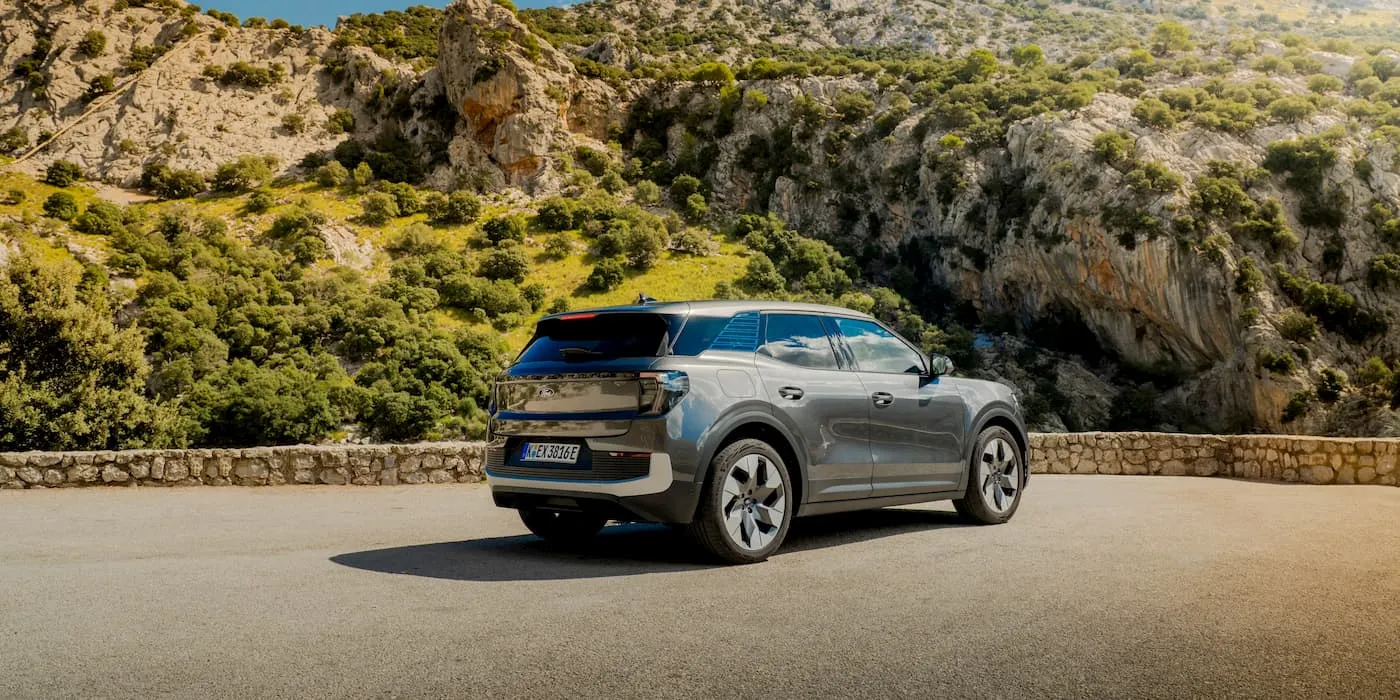
Ford is exploring the idea of working with a Chinese electric vehicle partner. The move reflects how deeply global automotive ties have become, especially as EV development accelerates worldwide.
While Ford has not confirmed a specific deal, the discussion itself signals a shift.
Why Ford Is Looking Toward China
China dominates the global EV supply chain. It leads in battery production, software integration, and low-cost manufacturing.
Because of that advantage, many automakers now view Chinese firms as partners rather than just competitors.
Ford faces mounting pressure to lower EV costs. At the same time, it must scale production faster. Partnering with a Chinese EV company could help solve both problems.
In short, China offers speed, scale, and affordability.
Cost Pressures Are Forcing Strategic Rethinks
EV margins remain thin. Battery costs still weigh heavily on profitability.
Although Ford has invested heavily in its own EV platforms, development remains expensive. Meanwhile, Chinese automakers have mastered cost control through vertical integration.
As a result, Ford may see collaboration as a faster path to competitiveness.
Rather than reinventing everything, Ford could adapt proven technology.
Industry Partnerships Are Becoming the Norm
Ford would not be alone. Several global automakers already rely on Chinese suppliers for batteries, software, or complete EV platforms.
Additionally, joint ventures allow companies to share risk. They also reduce time to market.
Therefore, a Chinese EV partnership fits a broader industry trend.
Political and Regulatory Challenges Remain
Still, the idea carries risks.
U.S. regulators closely monitor ties between American companies and Chinese firms. Trade tensions, tariffs, and national security concerns all complicate decisions.
Because of this, any partnership would likely focus on technology licensing or overseas production rather than U.S. assembly.
Ford must balance innovation with compliance.
What This Could Mean for Consumers
If Ford moves forward, buyers could benefit.
Lower production costs may lead to more affordable EVs. Faster development could also bring new models to market sooner.
However, branding and trust will matter. Ford must ensure quality, safety, and long-term support.
Consumers expect Ford vehicles to feel like Ford vehicles.
The Bigger Picture
This potential partnership highlights a new reality.
EV leadership no longer belongs to one region. Instead, innovation spreads across borders.
As the industry evolves, collaboration may prove more powerful than isolation.
The Bottom Line
Ford is considering a Chinese EV partner as global auto ties deepen. While no deal exists yet, the discussion alone speaks volumes.
In the race to build affordable, scalable EVs, even legacy automakers must think globally.
And for Ford, that may mean looking east.