
Why Some Ford Mustang Mach-E and Tesla Batteries Are Better Charged to 100%
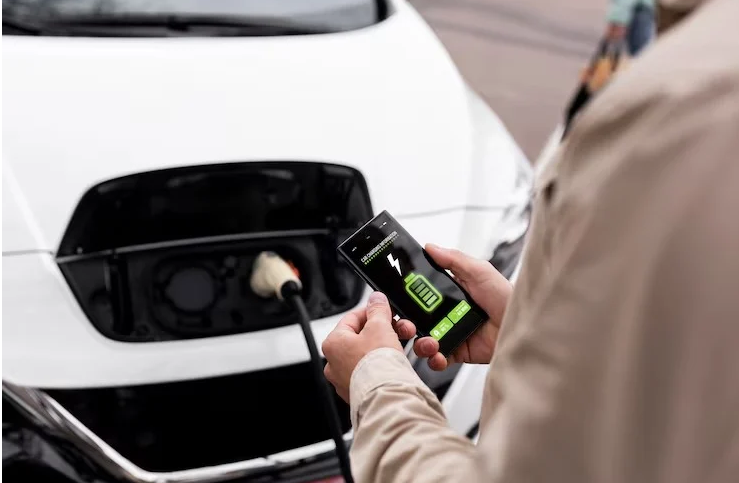
Most EV owners hear the same advice: never charge to 100%. However, that rule does not apply to every electric vehicle. In fact, certain Ford Mustang Mach-E and Tesla models actually benefit from a full charge. Understanding why can help owners protect their batteries and unlock better performance.
Not All EV Batteries Are the Same
The key difference lies in battery chemistry. Some Mach-E and Tesla variants use LFP (Lithium Iron Phosphate) batteries. Unlike traditional lithium-ion packs, LFP batteries handle full charges far better.
Why LFP Batteries Prefer 100% Charging
LFP batteries stay more stable at high charge levels. Because of this, manufacturers recommend charging them to 100% regularly. Doing so helps the car’s software accurately calculate range and battery health.
Tesla and Ford Official Recommendations
Tesla advises owners of LFP-equipped Model 3 and Model Y vehicles to charge to 100% at least once a week. Similarly, Ford suggests full charging for specific Mustang Mach-E trims with LFP packs. These recommendations come directly from the manufacturers, not third-party testing.
Better Range Estimates and Accuracy
When drivers avoid full charges, the battery management system loses calibration. As a result, range predictions become unreliable. A full charge resets the system and delivers more accurate real-world range data.
Improved Daily Usability
For city driving, LFP batteries work best when kept near full charge. Drivers gain consistent power delivery and predictable performance. This makes daily commuting easier and reduces range anxiety.
What About Battery Degradation?
Unlike older lithium-ion packs, LFP batteries degrade much slower at high charge levels. That’s why charging to 100% does not shorten their lifespan in the same way. Instead, frequent partial charging can cause inaccurate readings over time.
Which Owners Should Charge to 100%
Not every Mach-E or Tesla qualifies. Owners should check their vehicle’s battery type inside the settings or owner’s manual. If the car uses an LFP battery, full charging is not only safe—it’s recommended.
The Bigger EV Takeaway
This shift challenges long-held EV myths. As battery technology evolves, charging habits must change too. For some modern EVs, 100% is the smart choice, not the risky one.