



Here’s Why Tesla Is Discontinuing the Model S and Model X
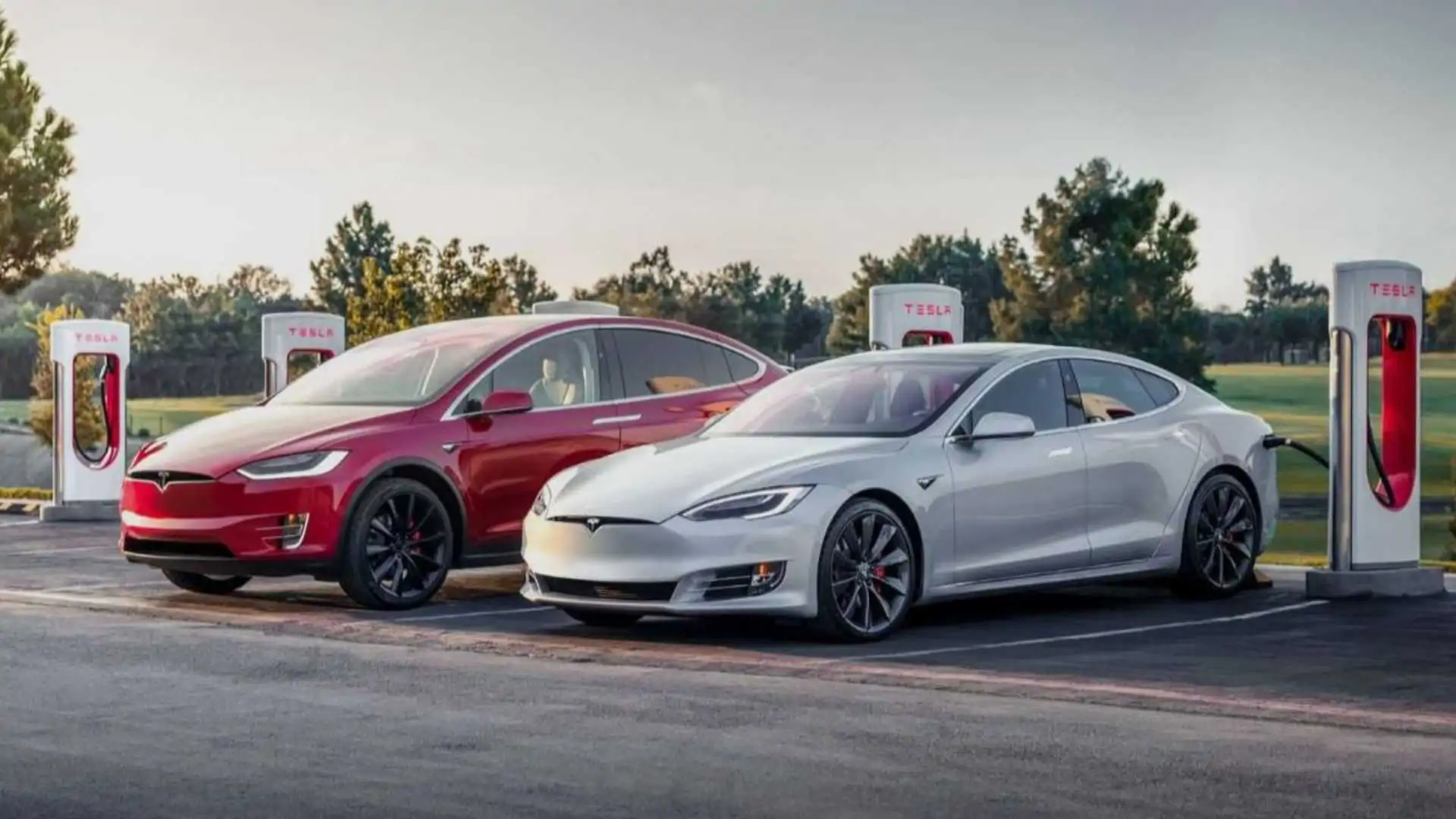
Tesla may be preparing to phase out two of its longest-running vehicles: the Tesla Model S and the Tesla Model X. While the company has not always made discontinuation plans official far in advance, multiple industry signals suggest these flagship models could be nearing the end of their lifecycle.
If that happens, it would mark the end of an era.
1. Aging Platforms
The Model S debuted in 2012, while the Model X followed in 2015. Although Tesla has updated both vehicles with refreshed interiors, improved range, and Plaid performance versions, the underlying platforms remain older compared to newer models.
Meanwhile, Tesla’s newer vehicles use more advanced manufacturing techniques and cost-efficient battery strategies. As a result, maintaining low-volume legacy models may no longer align with Tesla’s long-term production strategy.
2. Focus on High-Volume Models
Today, Tesla generates most of its sales from the Model 3 and Model Y. These vehicles dominate global EV markets due to competitive pricing and strong range.
By contrast, the Model S and Model X sell in much smaller numbers. Therefore, discontinuing them would allow Tesla to focus on:
- Scaling affordable EV production
- Expanding next-generation platforms
- Increasing manufacturing efficiency
3. Cost and Complexity
The Model X, in particular, features complex Falcon Wing doors, which increase production costs and service complexity. Simplifying the lineup could reduce operational expenses and improve profit margins.
Additionally, Tesla continues to invest heavily in new technologies, including autonomous driving and next-generation battery systems. Redirecting resources toward future models may take priority over maintaining older designs.
4. Shift Toward Next-Gen EVs
Tesla appears to be concentrating on new platforms and possibly more affordable mass-market vehicles. As the EV industry matures, competition intensifies in the luxury segment.
Instead of updating aging flagships repeatedly, Tesla may prefer to introduce entirely new premium EVs in the future.
The Bigger Picture
The Model S and Model X helped establish Tesla as a serious automaker. They proved electric cars could deliver luxury, speed, and long range.
However, the EV market has evolved. If Tesla discontinues these models, it likely reflects strategic realignment—not weakness.
In the fast-moving EV world, reinvention often drives survival.