

EV Demand in Nepal is Growing But So Is Cost: Navigating the Market Shift
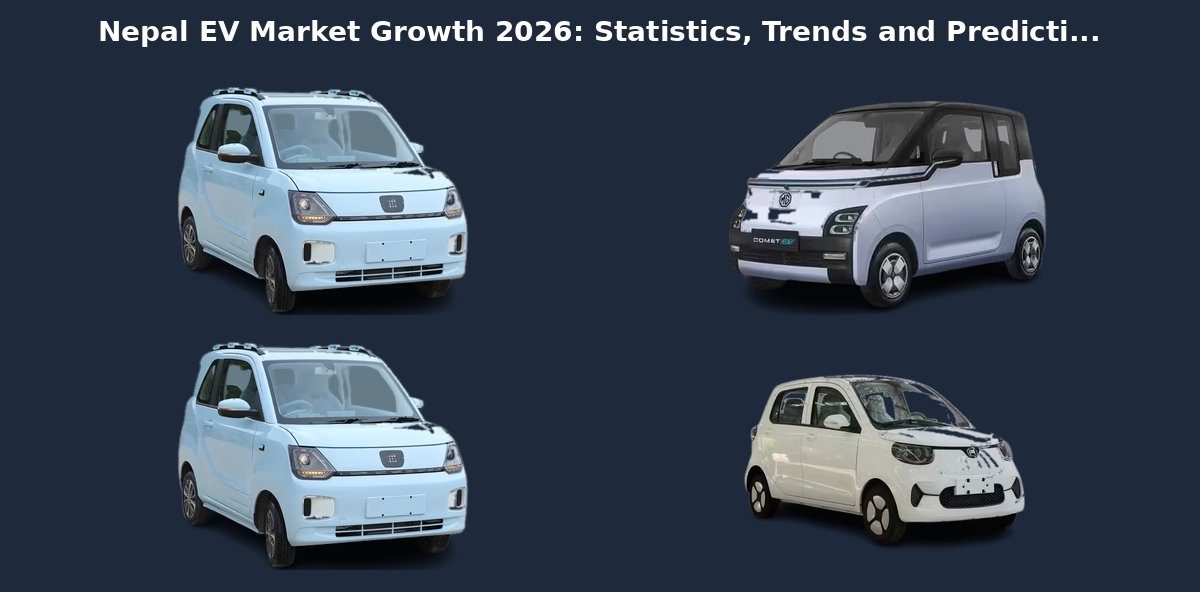
According to the latest data from the Department of Customs, Nepal imported over 7,434 EV units—including cars, jeeps, vans, and micro-buses—worth Rs 18.20 billion in the eight months leading up to mid-March. Despite this massive volume, regional and global economic factors are actively squeezing dealer margins. As a result, distributors are steadily passing these extra operational expenses down to local buyers. You can check the official news at Kathmandu News.
Table of Contents
- The Geopolitical Catalyst Driving Bookings
- Why Are EV Retail Prices Creeping Up?
- The Long-Term Cost Concern: Resale and Batteries
- Evolving Policy and Duty Structures
The Geopolitical Catalyst Driving Bookings
The recent surge in consumer interest is heavily tied to energy security. Because escalating tensions in West Asia frequently threaten global crude pipelines, Nepali commuters are rushing to insulate themselves from erratic fuel pricing.
- Surging Inquiries: Authorized distributors for major brands note that daily bookings have spiked significantly. For instance, Changan Nepal reports that nearly 90% of current Deepal EV inquiries are converting directly into solid sales.
- The New Year Bounce: Traditionally, March and April represent a sluggish off-season for auto sales. However, the Electric Vehicle Importers and Manufacturers Association of Nepal (EVIMAN) reported a massive 50% to 60% uptick in customer deliveries during this period.
- No More Discounts: Because inventory is flying off showroom floors, dealers have completely eliminated seasonal cash discounts and festive promotional waivers.
Why Are EV Retail Prices Creeping Up?
While operating an electric car remains incredibly cheap due to domestic hydropower, the initial acquisition price is facing heavy upward pressure. Dealers point to three primary external factors:
- Skyrocketing Freight Rates: Ongoing disruptions along vital northern trade routes and international shipping lanes have caused cargo container transport costs to spike.
- The Mighty Dollar: The sustained strength of the US Dollar against the Nepali Rupee means local distributors must spend significantly more capital to clear factory invoices overseas.
- Raw Material Overhead: Renewed fluctuations in global lithium and battery precursor materials in China are gradually inflating the base manufacturing cost of passenger vehicles.
Consequently, popular mainstream models are experiencing direct retail price adjustments, with certain trims climbing by Rs 50,000 to Rs 100,000 overnight.
The Long-Term Cost Concern: Resale and Batteries
Beyond the immediate showroom sticker price, early adopters are beginning to calculate the broader lifecycle expenses of ownership. The local secondary market is presenting unique structural hurdles.
| Cost Challenge Area | Current Market Reality | Long-Term Impact |
| Rapid Depreciation | EVs lose 50% to 60% of value within 5 years | High early-stage financial loss for owners |
| Battery Anxiety | Component cost matches half the vehicle value | High reliance on original factory warranties |
| Component Access | Premium parts depend on overseas logistics | Slower repair turnarounds at service hubs |
To counter these concerns, forward-thinking brands are shifting strategies. For example, G.O. Automobiles recently published transparent MG spare parts pricing to stabilize buyer expectations. Similarly, brands like Omoda & Jaecoo are introducing expansive 11-year protective coverage blocks to protect secondary market values.
Evolving Policy and Duty Structures
To keep the green transition alive, the government continues to rely on strategic tax relief rather than direct financial hand-outs.
In the latest national budget statement, the government decided to maintain the existing progressive tax framework to ensure policy stability for businesses. Specifically, mainstream electric options under 50 kW continue to enjoy a low 15% customs duty, while popular mid-tier models between 51 kW and 100 kW carry a steady 20% customs duty and 10% excise layout.
Furthermore, the state is targeting fast-charging industry bottlenecks. By slashing customs duties to a mere 1% on essential equipment for charging stations, the government aims to expand the current 490+ public charger footprint. This infrastructure expansion should help reduce consumer range anxiety, balancing out the rising cost of acquisition.
To view detailed comparative price graphs of budget-friendly electric hatchbacks or to track the real-time development of regional charging networks, follow the market deep dives at Bijulidai. Alternatively, to protect your vehicle’s tech cabin from extreme summer heat, browse premium all-weather accessories at Oliz Store.