
Rivian Lays Off Hundreds of Workers Just One Week After Highly Anticipated R2 Electric SUV Launch
The electric vehicle sector continues to experience massive, unpredictable waves of restructuring. Furthermore, even highly celebrated product milestones are no longer keeping automotive workforces safe from sudden corporate cost-cutting measures.
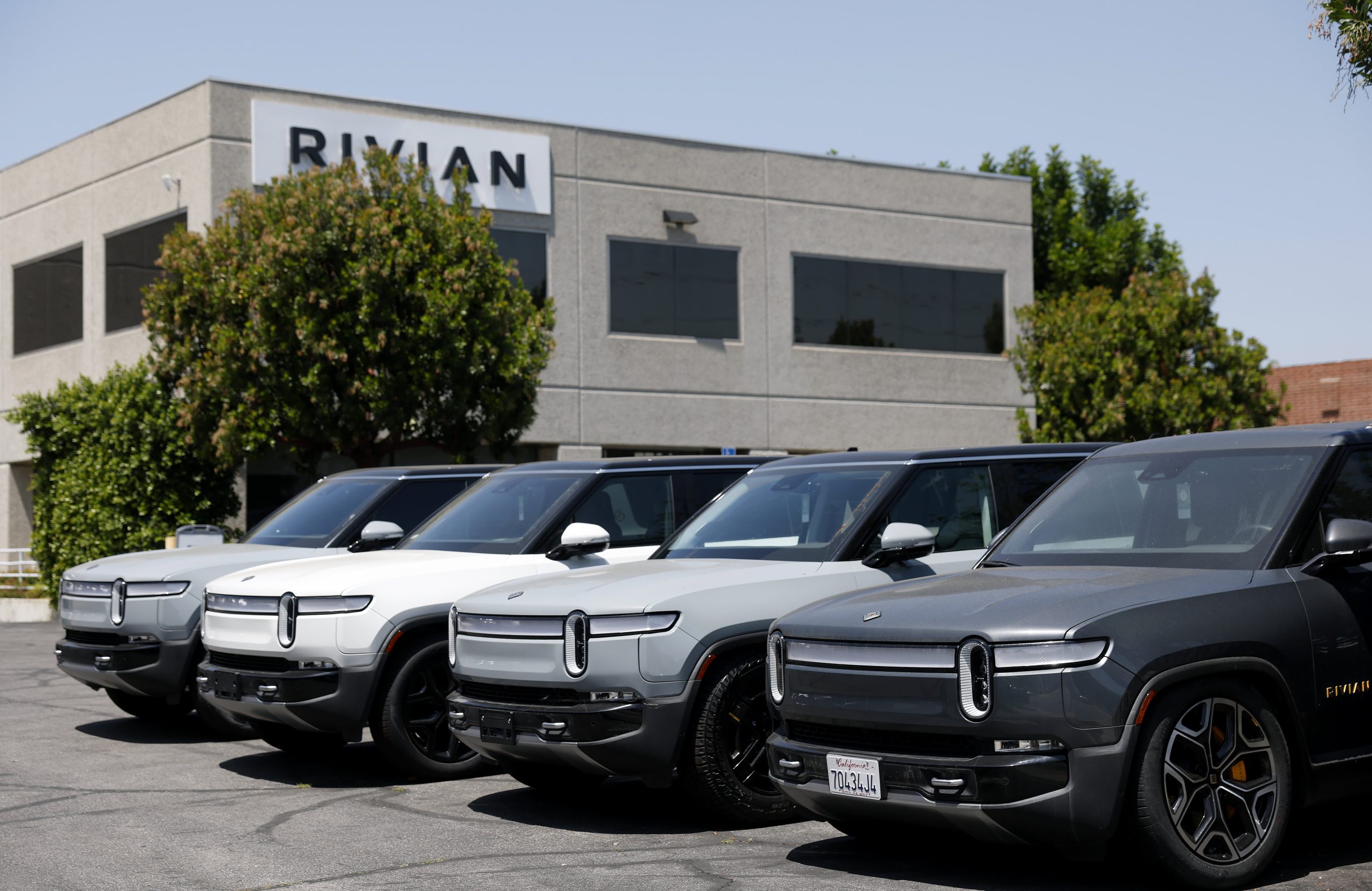
In a surprising turn of events, Rivian has laid off hundreds of workers. Specifically, this major downsizing occurred just one week after the company unveiled its brand-new R2 electric SUV.
This rapid shift highlights a major contradiction in the current EV landscape. On one hand, consumer excitement for new, affordable electric platforms is incredibly high. However, on the other hand, EV manufacturers are facing severe macroeconomic pressures. Therefore, companies must aggressively streamline their operations to survive this highly competitive phase.
Table of Contents
- The Timing of the Rivian Downsizing
- Why Are EV Manufacturers Cutting Jobs?
- The Strategic Importance of the R2 Platform
- What This Means for the Future of Automotive Tech
The Timing of the Rivian Downsizing
The timing of these job cuts has caught many industry observers completely off guard. Just days ago, Rivian was celebrating massive public praise. This positive attention followed the official global debut of their compact R2 crossover.
However, corporate reality quickly overshadowed that product triumph. Consequently, hundreds of salaried employees suddenly lost their positions. This round of cuts primarily targeted corporate and support divisions. Meanwhile, the company is attempting to preserve its core engineering and manufacturing talent. Therefore, they want to ensure that actual vehicle production timelines remain completely unaffected.
Why Are EV Manufacturers Cutting Jobs?
The broader electric vehicle market is currently navigating a distinct cooling-off period. For instance, global demand growth for high-end electric cars has slowed down significantly. Furthermore, high interest rates are making vehicle financing much more expensive for average consumers.
As a result, major brands are shifting away from a strategy of raw expansion. Instead, they are focusing heavily on immediate fiscal efficiency. Rivian, in particular, is burning through cash as it scales up its manufacturing facilities. Consequently, reducing headcount is a direct lever to lower their quarterly operational expenses.
The Strategic Importance of the R2 Platform
Despite these painful corporate workforce reductions, the R2 platform remains the absolute key to Rivian’s long-term survival.
- Mass Market Appeal: The R2 targets a much lower starting price point. Specifically, it aims to capture buyers who cannot afford the flagship R1T or R1S.
- Massive Reservation Numbers: The vehicle secured over 68,000 reservations in less than 24 hours. This massive volume proves that consumer interest is still very healthy.
- Production Efficiency: Rivian changed its original plans to save cash. Specifically, they will build the R2 at their existing Illinois factory first. This smart move delays billions of dollars in new facility construction costs.
What This Means for the Future of Automotive Tech
Ultimately, this corporate restructuring shows that the EV race has entered a brutal new phase. Designing a beautiful, highly intelligent vehicle is simply no longer enough to guarantee absolute market victory.
Instead, automotive startups must prove they can actually manufacture these smart machines at scale. Furthermore, they must do so while maintaining healthy corporate balance sheets.
Do you want to track how these massive global automotive shifts influence local green transit markets? If so, consider checking out the latest analytical breakdowns over at Bijulidai. They provide excellent, consistent coverage of global and domestic EV trends. Additionally, to keep your own mobile tech workflow running flawlessly during shifting economic times, explore the professional gear catalog over at Oliz Store today.