
Nagdhunga Tunnel Ready for Launch: Nepal’s First Road Tunnel Nears Grand Opening
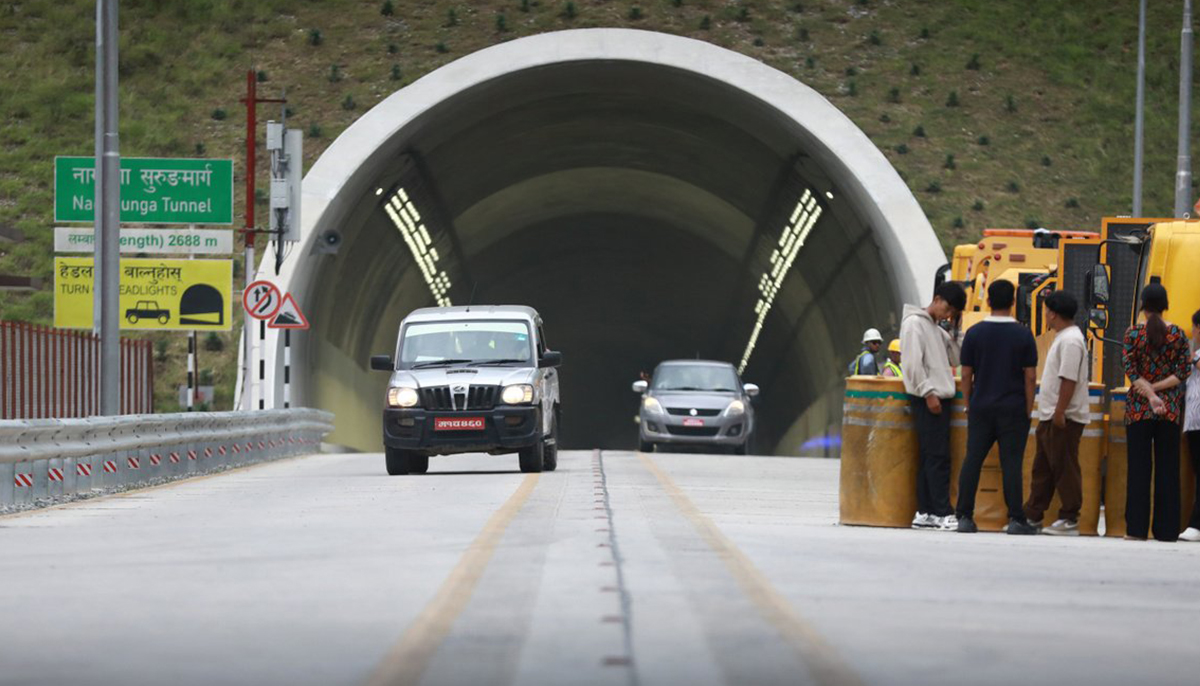
Nepal is standing on the cusp of an incredible civil engineering milestone. The long-awaited Nagdhunga–Sisnekhola Tunnel Project, recognized as the country’s first modern commercial highway tunnel, is undergoing final operational drills. Consequently, the Department of Roads has announced that vehicular movement will officially kick off between mid-July and early August.
Currently, the project office has achieved 99.8% physical progress. Because of this, teams are actively running round-the-clock emergency rescue exercises, lighting tests, and jet-fan ventilation system calibrations to ensure maximum commuter safety inside the structure.
Table of Contents
- Key Engineering Specifications of the Project
- The Structural Impact on Highway Travel
- Digital Toll Collection and Operational Management
- Official Gazette Toll Rates for Vehicles
- Strict Restrictions: Who Can Enter the Tunnel?
- Safety Regulations and Dimensional Limits
Key Engineering Specifications of the Project
First and foremost, this mega-infrastructure asset completely bypasses the notoriously congested, landslide-prone hairpin bends of the Nagdhunga uphill climb. Built by the reputable Japanese contractor Hazama Ando Corporation, the route shaves a frustrating 45-minute traffic crawl down to a swift 7-minute transit. Therefore, it will provide massive relief to daily commuters.
In terms of physical dimensions, the main tunnel length spans precisely 2,688 meters with dual traffic lanes measuring 3.5 meters each. Furthermore, an emergency escape tunnel measures 2,557 meters running parallel to the primary tube to guarantee fast evacuation during unforeseen breakdowns. Meanwhile, the project totals approximately Rs. 22 Billion, heavily backed by concessional ODA loans provided by the Japan International Cooperation Agency (JICA).
The Structural Impact on Highway Travel
Additionally, the western exit features a Japanese-style Michi-No-Eki (Road Station). This integrated 4,650-square-meter facility houses heavy truck parking bays, modern public restrooms, fast-food outlets, and local community retail shops. As a result, travelers can rest comfortably before entering or exiting the valley.
Digital Toll Collection and Operational Management
To facilitate uninterrupted, seamless movement for the estimated 8,000 daily vehicles, the project introduces a highly advanced multi-mode electronic toll collection structure. Therefore, long queues should be minimized. The government has officially handed over management and maintenance operations to the Yusin–ART Joint Venture under a five-year, Rs. 1.1 Billion contract.
To process fees rapidly without causing long entrance queues, motorists can utilize three distinct payment gateways. Consequently, drivers have maximum flexibility.
Available Payment Channels:
- High-Capacity Electronic Stickers: Windshield RFID tags read automatically by smart cameras at entry barriers.
- QR Code Mobile Scanning: Instant digital merchant payment capability using local mobile wallets.
- Manual Cash Windows: Standard counter lanes reserved for drivers without digital setups.
Official Gazette Toll Rates for Vehicles
The Ministry of Physical Infrastructure and Transport finalized the official toll breakdown via a formal notice published in the Nepal Gazette. Crucially, toll costs vary based on the destination direction due to traffic flow balances entering the capital.
Official Price Breakdown by Vehicle Class:
| Vehicle Type / Capacity | Fee Entering Kathmandu | Fee Exiting Kathmandu |
|---|---|---|
| Light Vehicles (Cars, Vans, Pickups, Microbuses, Tractors) | Rs. 65 | Rs. 60 |
| Medium Commercial (Minibuses, Mini Tippers, Mini Trucks) | Rs. 125 | Rs. 80 |
| Heavy Commercial (Buses, Single-Rear-Axle Trucks) | Rs. 260 | Rs. 200 |
| Heavy Equipment (Multi-Axle Cargo Trucks, Specialized Rigs) | Rs. 600 | Rs. 250 |
Strict Restrictions: Who Can Enter the Tunnel?
While the infrastructure asset represents a massive win for cross-district logistics, safety authorities are imposing incredibly tight restrictions to reduce accident hazards inside enclosed spaces. Consequently, specific vehicles are barred entirely.
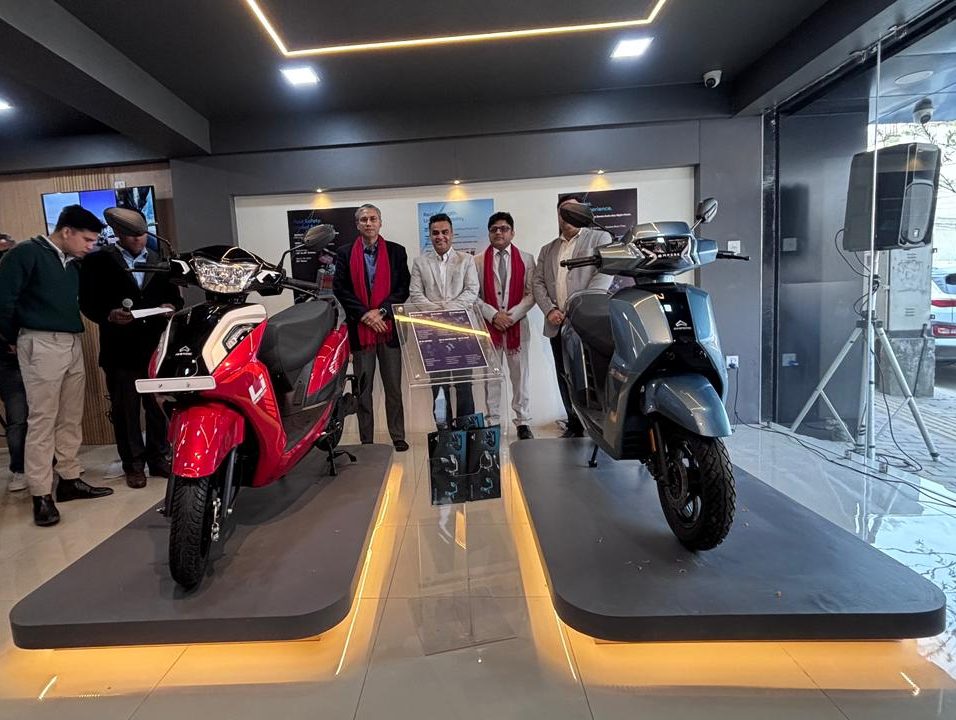
Important Restriction Notice: Two-wheeled vehicles, including all motorcycles and scooters, are strictly prohibited from entering the Nagdhunga Tunnel.
Similarly, local transport authorities will redirect three-wheelers, non-motorized vehicles, and pedestrians to the old, existing surface highway corridor. Therefore, the old route remains vital.
Safety Regulations and Dimensional Limits
Furthermore, vehicles carrying highly flammable materials or explosives like petrol, diesel, and gas bullets are completely banned for safety reasons. In addition to this, vehicles longer than 18 meters or wider than 2.5 meters cannot enter the underground pass.
Ultimately, a dedicated team of 150 newly trained control-room professionals will monitor the lanes 24/7/365 through CCTV arrays to penalize lane-splitting or prohibited overtaking immediately.