Europe’s 2035 Gas-Car Ban Is No Longer Certain—and Mercedes Has Reason to Be Concerned
For years, Europe’s plan to ban new gasoline and diesel cars by 2035 seemed locked in. Automakers adjusted strategies. Billions were invested. However, that certainty is now fading—and Mercedes-Benz is among the companies feeling the pressure.
The potential shift has created new uncertainty across the European auto industry.
Why the 2035 Ban Is Suddenly in Question
Several EU member states are pushing back on a hard ban. Instead, they want more flexibility. Some propose exemptions for e-fuels, while others argue for a slower transition.
At the same time, political priorities are changing. Voters worry about affordability, energy security, and job losses. As a result, regulators face growing pressure to soften the timeline.
Although no final decision has been made, the direction feels less absolute than before.
Why This Is a Problem for Mercedes
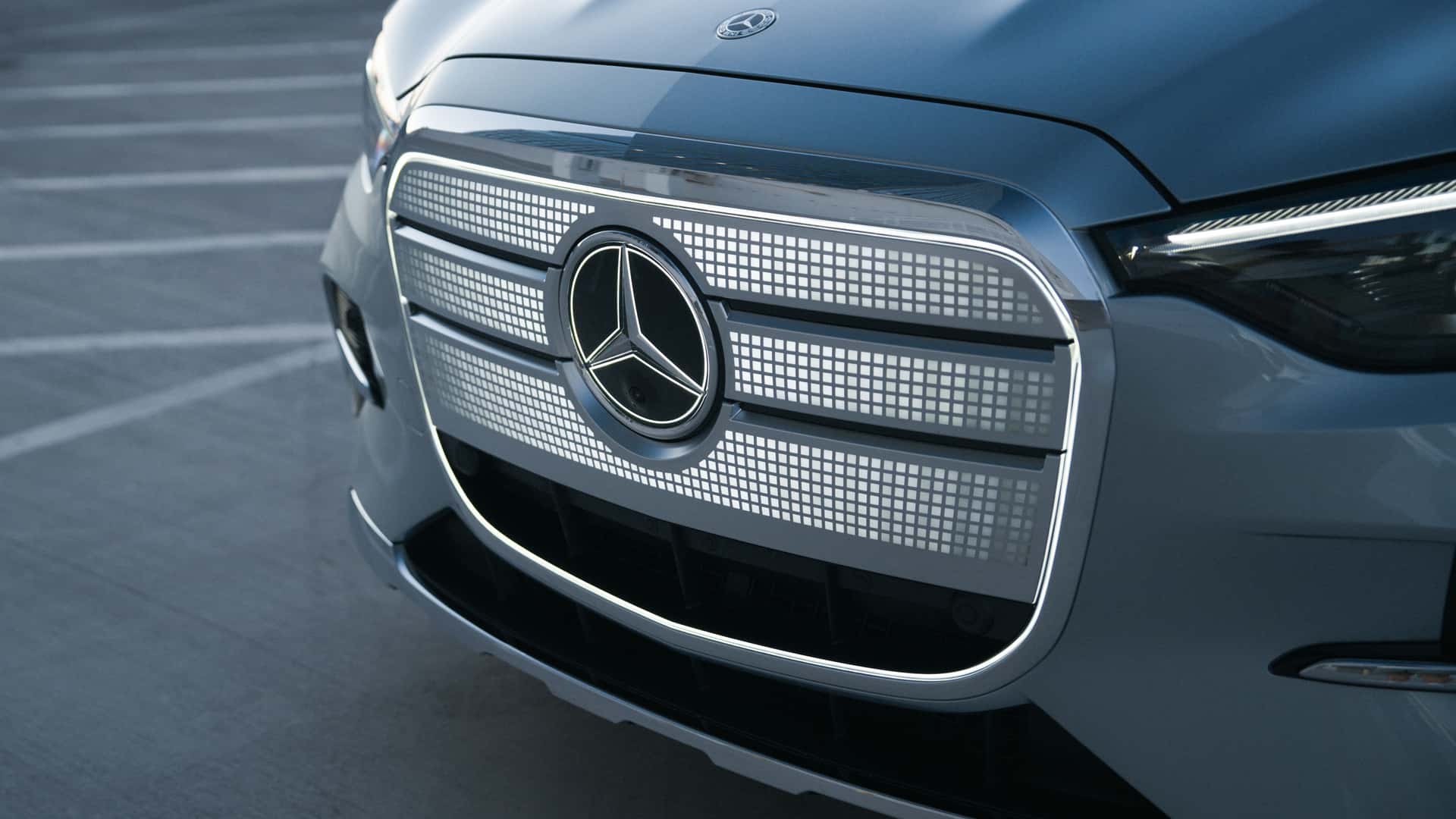
Mercedes committed early to an EV-first strategy in Europe. The company planned to go all-electric in key markets by the end of the decade, assuming the 2035 ban would force competitors to follow.
Now, that advantage may disappear.
If gas cars remain legal longer, rivals can keep selling profitable combustion models. Meanwhile, Mercedes has already spent heavily on EV platforms, software, and battery supply.
In other words, Mercedes may have moved faster than the market required.
Profitability Is the Real Concern
Electric vehicles still cost more to build than gas cars. Margins remain thinner, especially in mass-market segments.
If customers continue buying combustion cars beyond 2035, Mercedes risks slower EV adoption and delayed returns on investment. That uncertainty complicates planning, pricing, and factory utilization.
Simply put, flexibility helps late movers—not early ones.
A Broader Industry Impact
Mercedes isn’t alone. Other European automakers face similar questions. However, brands that hedged their bets with hybrids and updated gas engines now look better positioned.
As a result, Europe’s EV transition may become uneven rather than decisive.
What Happens Next
The EU has not officially canceled the ban. Still, the debate alone changes behavior. Automakers may delay EV rollouts. Consumers may hesitate.
For Mercedes, clarity matters more than ideology.
The Bottom Line
Europe may not fully ban gas cars by 2035 after all. That uncertainty now worries Mercedes, which bet heavily on a fast EV transition.
When regulations shift, being early can suddenly feel risky.