How Pedal-Assist Mini-Trucks Are Quietly Reshaping Urban Transportation
Cities around the world are changing fast. Congestion is rising. Emissions rules are tightening. At the same time, last-mile delivery demand keeps growing. Against this backdrop, pedal-assist mini-trucks are emerging as an unexpected urban solution.
Although they look small, their impact is growing quickly.
What Are Pedal-Assist Mini-Trucks?
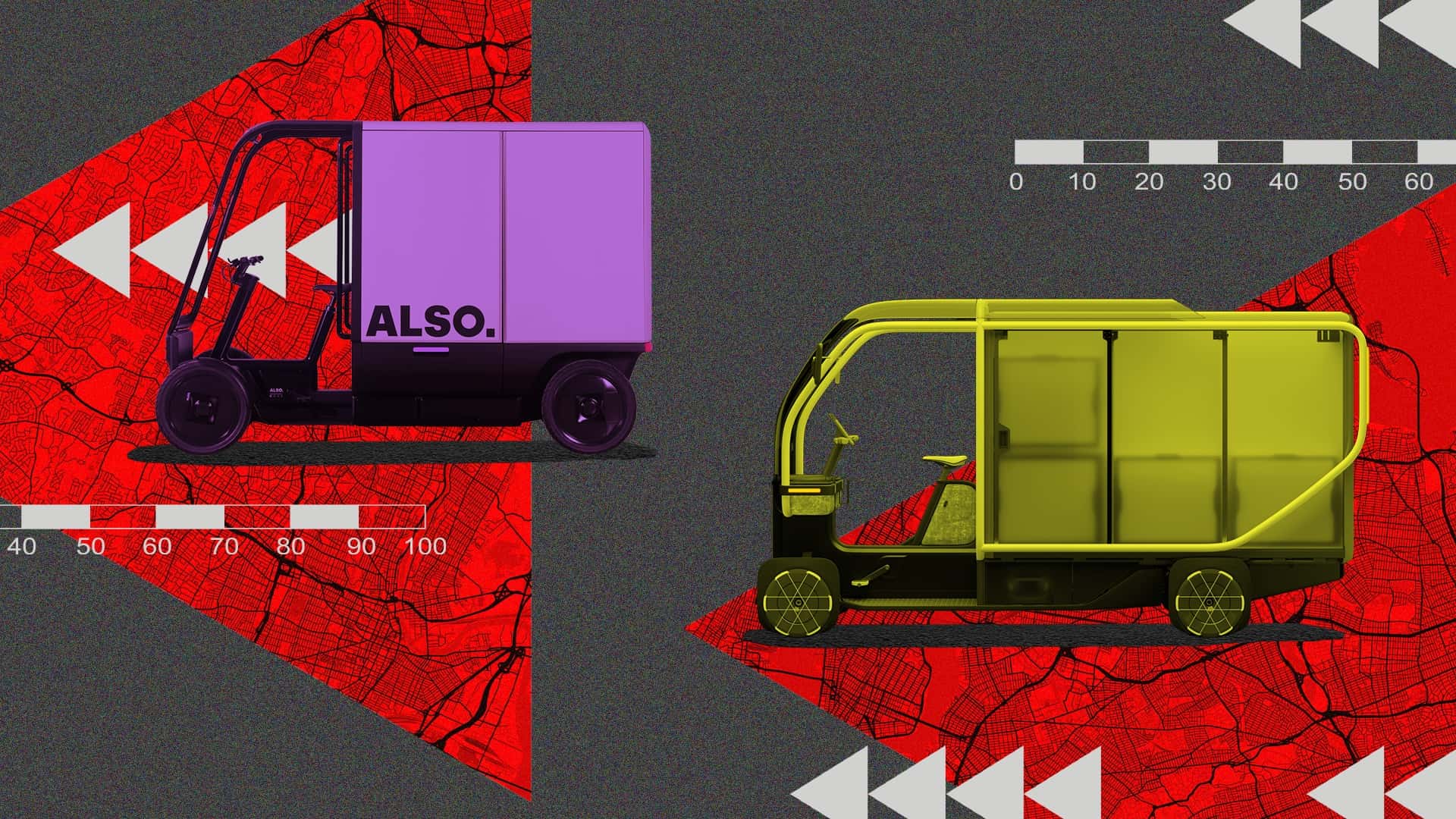
Pedal-assist mini-trucks combine human pedaling with electric motor support. Unlike traditional e-bikes, they feature cargo beds, enclosed cabins, or flat platforms. As a result, they can haul goods while remaining compact and efficient.
Most models fall under low-speed vehicle or e-cargo classifications. Because of that, they often bypass strict vehicle regulations. This makes them ideal for dense city environments.
Why Cities Are Embracing Them
First, they take up far less space than vans or pickup trucks. That alone reduces congestion.
Second, pedal-assist mini-trucks produce near-zero emissions. Many cities now restrict diesel vehicles in downtown zones. These compact trucks easily meet clean-air rules.
Additionally, they reduce noise. Quiet streets improve quality of life, especially in residential areas.
A Game Changer for Deliveries
Last-mile delivery is expensive and inefficient. Traditional delivery vans struggle with parking and traffic.
Pedal-assist mini-trucks solve both problems.
They can use bike lanes. They park almost anywhere. They also cost far less to operate. Charging requires minimal electricity, and maintenance stays simple.
Because of this, restaurants, couriers, and small retailers are rapidly adopting them.
Lower Costs, Higher Accessibility
Compared to electric vans, pedal-assist mini-trucks are much cheaper. Purchase prices remain low. Insurance costs drop. Fuel expenses nearly disappear.
Moreover, they require less training. Many operators can drive them without commercial licenses. That widens the workforce pool for delivery companies.
Not Just for Cargo
Some cities now use pedal-assist mini-trucks for municipal services. Street cleaning, park maintenance, and waste collection all benefit from compact electric assistance.
In addition, small businesses use them as mobile shops or service vehicles.
The Bigger Urban Impact
Over time, these vehicles could change how cities are designed. Fewer large trucks mean safer streets. Narrower lanes become possible. Public space expands.
While they won’t replace full-size trucks entirely, pedal-assist mini-trucks fill a crucial gap.
The Bottom Line
Pedal-assist mini-trucks are transforming cities quietly but effectively. They cut emissions, lower costs, and reduce congestion.
As urban centers rethink mobility, these small vehicles may play a very big role.