

Tesla Cybercab Set to Bring Fully Driverless Rides to Austin
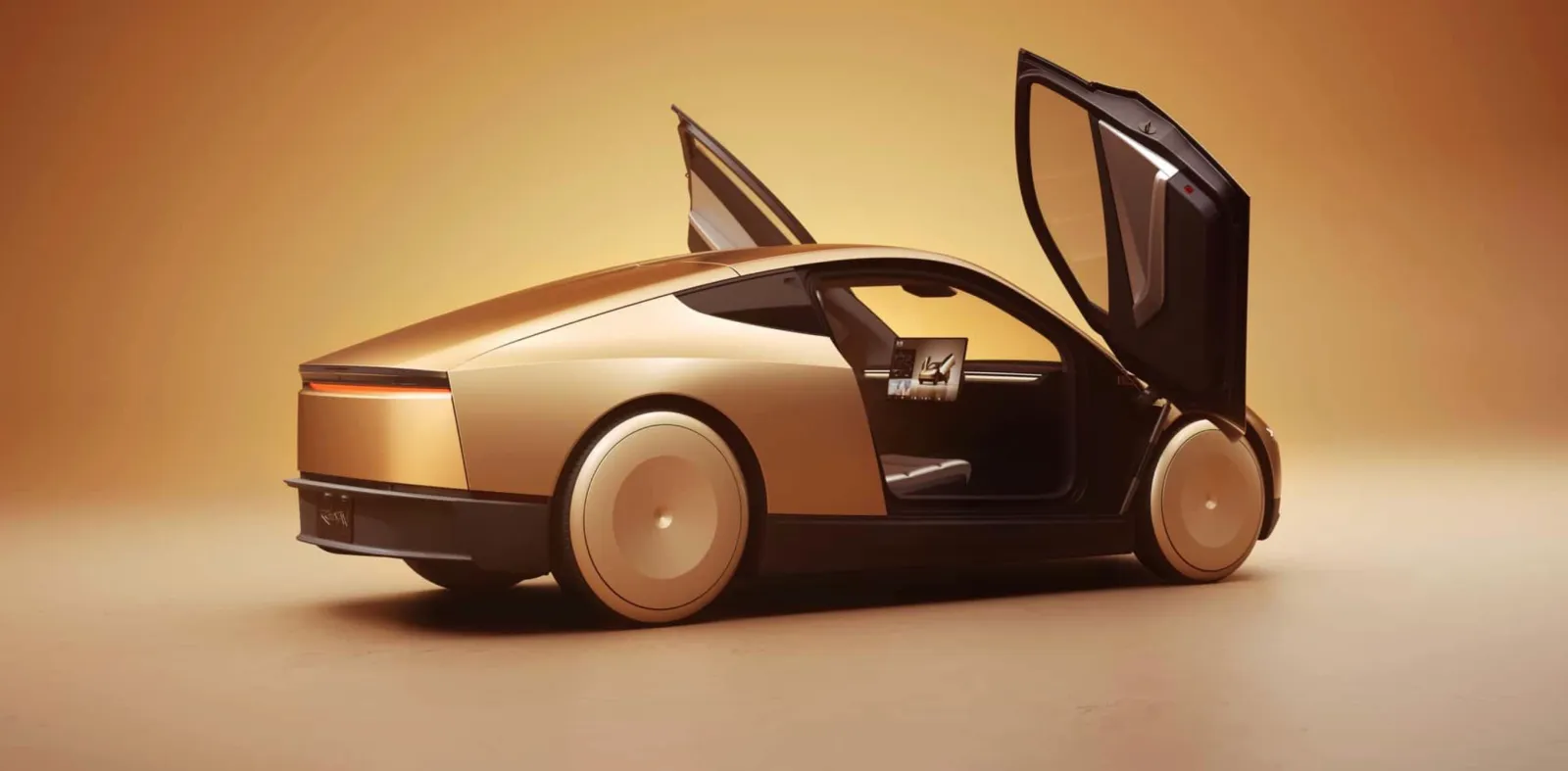
Austin could soon look a little different as Tesla prepares to bring its purpose-built Cybercab into its robotaxi operation. The company has already started Cybercab production and public-road engineering tests, while employee rides began at Tesla’s Gigafactory Texas campus in July.
Tesla has now scheduled a dedicated Tesla Cybercab launch event in Austin for September 3, 2026. The event follows a week in which Tesla encouraged customers to take its existing Robotaxi service in Austin for a chance to attend the launch.
Austin Is Already Testing Tesla’s Driverless Future
Tesla is not starting its robotaxi experiment from scratch. The company began testing driverless Robotaxis in Austin in December 2025 and gradually removed safety monitors from some customer rides in January. Tesla subsequently expanded its unsupervised service across the Austin metropolitan area.
The current Austin Robotaxi fleet primarily uses Model Y vehicles, while the Cybercab is designed specifically for autonomous ride-hailing. Tesla says the Cybercab is intended to become the workhorse of its Robotaxi fleet over time.
A Robotaxi Built Without a Steering Wheel
The Cybercab takes a different approach from Tesla’s existing vehicles. It is designed as a purpose-built autonomous EV without a conventional steering wheel or pedals, rather than a regular Tesla adapted for autonomous operation.
That makes the Cybercab particularly important to Tesla’s long-term robotaxi strategy. Instead of designing a vehicle around a human driver and then adding autonomous capability, Tesla is building the vehicle around the assumption that the passenger does not need to drive at all.
However, the transition will not happen overnight. Tesla is still conducting engineering tests and gradually expanding its driverless operations, while regulators, safety requirements and real-world performance remain important factors in determining how quickly the Cybercab can scale.
Why Austin Matters
Austin has effectively become one of Tesla’s most important testing grounds for autonomous mobility. The company has expanded its unsupervised Robotaxi operations there while preparing the Cybercab for deployment.
Tesla’s latest filings show that it is also working toward expanding Robotaxi operations to other U.S. markets, including Dallas, Houston, Miami, Orlando and Tampa, while preparations are underway for Phoenix and Las Vegas.
The Cybercab therefore represents more than another Tesla vehicle launch. If the Austin rollout works reliably, it could provide Tesla with a blueprint for expanding purpose-built autonomous vehicles into additional cities.
The Bigger Question: Would You Ride One?
The biggest challenge may not be building the Cybercab—it may be earning passenger trust.
A ride without a steering wheel or human driver could eventually offer lower operating costs, greater availability and a completely different transportation experience. But customers will also expect the system to handle unpredictable traffic, pedestrians, road construction and emergency situations safely.
Tesla’s Austin robotaxi rollout has already faced criticism over issues such as long wait times and navigation problems, showing that real-world autonomous driving still has plenty of challenges to overcome.
If Tesla can demonstrate that the Cybercab can operate safely and consistently at scale, Austin could become an early glimpse of a transportation system where calling a ride means calling a robot.
But the real question remains: would you trust a car with no steering wheel, no pedals and no human driver to take you across the city?

