
Nepal’s Electric Shift: Clean Mobility or Regulatory Trap?
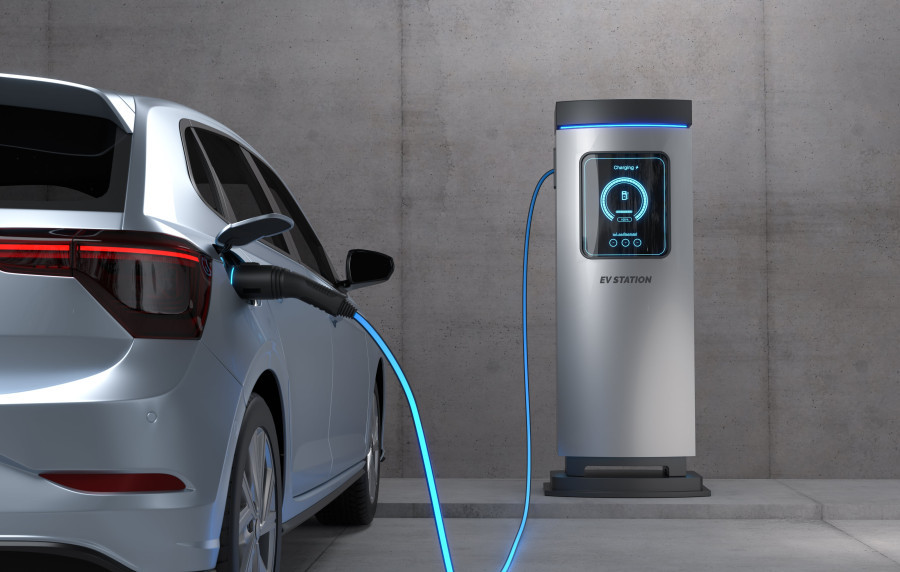
While the policy shift signals a “green light” for innovation, the automotive industry remains divided. Proponents see it as a way to reduce fossil fuel dependency and extend the life of existing assets, while critics warn of a “regulatory vacuum” that could turn modified vehicles into safety hazards.
Table of Contents
- The Policy Shift: Legalizing Retrofitting
- The “Revolution”: Economic & Industrial Upside
- The “Risk”: Engineering and Safety Hurdles
- Conversion Costs and Feasibility
The Policy Shift: Legalizing Retrofitting
Until recently, EV conversion existed in a legal “grey zone.” Pioneers like the National Innovation Center (NIC) and Sajha Yatayat successfully converted vehicles years ago, but these remained grounded in workshops because the Department of Transport Management (DoTM) could not issue “Green” number plates.
- Cabinet Decision (April 2026): The government has now agreed in principle to allow conversions.
- The Legislative Gap: While the intent is clear, the 1992 Act still needs a formal amendment.
- The “Blue Book” Challenge: Authorities are currently drafting a “Retrofitting Procedure” to determine how to update technical details in the vehicle’s registration.
The “Revolution”: Economic & Industrial Upside
Converting an old petrol car to electric is not just about the environment; it is an industrial opportunity for Nepal.
- Hydropower Synergy: With over 90% of Nepal’s electricity coming from hydropower, converted EVs run on the cheapest and cleanest fuel available.
- Asset Life Extension: Retrofitting allows owners of 15-year-old vehicles to bypass “scrapping” mandates by installing a zero-emission powertrain.
- Local Engineering: The move is expected to birth a new sector of certified workshops and specialized EV technicians, reducing the “brain drain” of Nepali engineers.
The “Risk”: Engineering and Safety Hurdles
Expert engineers warn that “backyard conversions” pose significant risks. Removing a heavy engine and adding lithium-ion batteries fundamentally changes a vehicle’s physics.
- Weight Distribution: Batteries are heavy. Improper placement can alter a car’s center of gravity, compromising braking and stability on Nepal’s hilly terrain.
- High-Voltage Safety: Converted vehicles lack the rigorous crash-testing of factory-built EVs. Poor wiring or low-grade Battery Management Systems (BMS) can lead to thermal runaway and fire hazards.
- Institutional Capacity: Currently, Nepal lacks the high-voltage testing equipment needed to certify that a converted vehicle is truly roadworthy.
Conversion Costs and Feasibility
Is it cheaper to buy new or convert? Currently, the economics are most viable for high-mileage commercial vehicles rather than private cars.
| Vehicle Type | Estimated Conversion Cost | Feasibility Status |
| Buses/Large Trucks | रू 60–80 Lakh | High for Fleet Operators |
| Pickups / Taxis | रू 15–25 Lakh | Moderate (Payback in 3-4 years) |
| Small Private Cars | रू 10–15 LakhLow | (New EVs like Wuling are competitive) |
For deeper technical breakdowns on conversion kits or to follow the latest policy updates from the DoTM, visit Bijulidai or explore premium EV diagnostic tools at OlizStore.