
Nepal Moves Toward EVs as Government Plans to Phase Out Fuel Vehicles
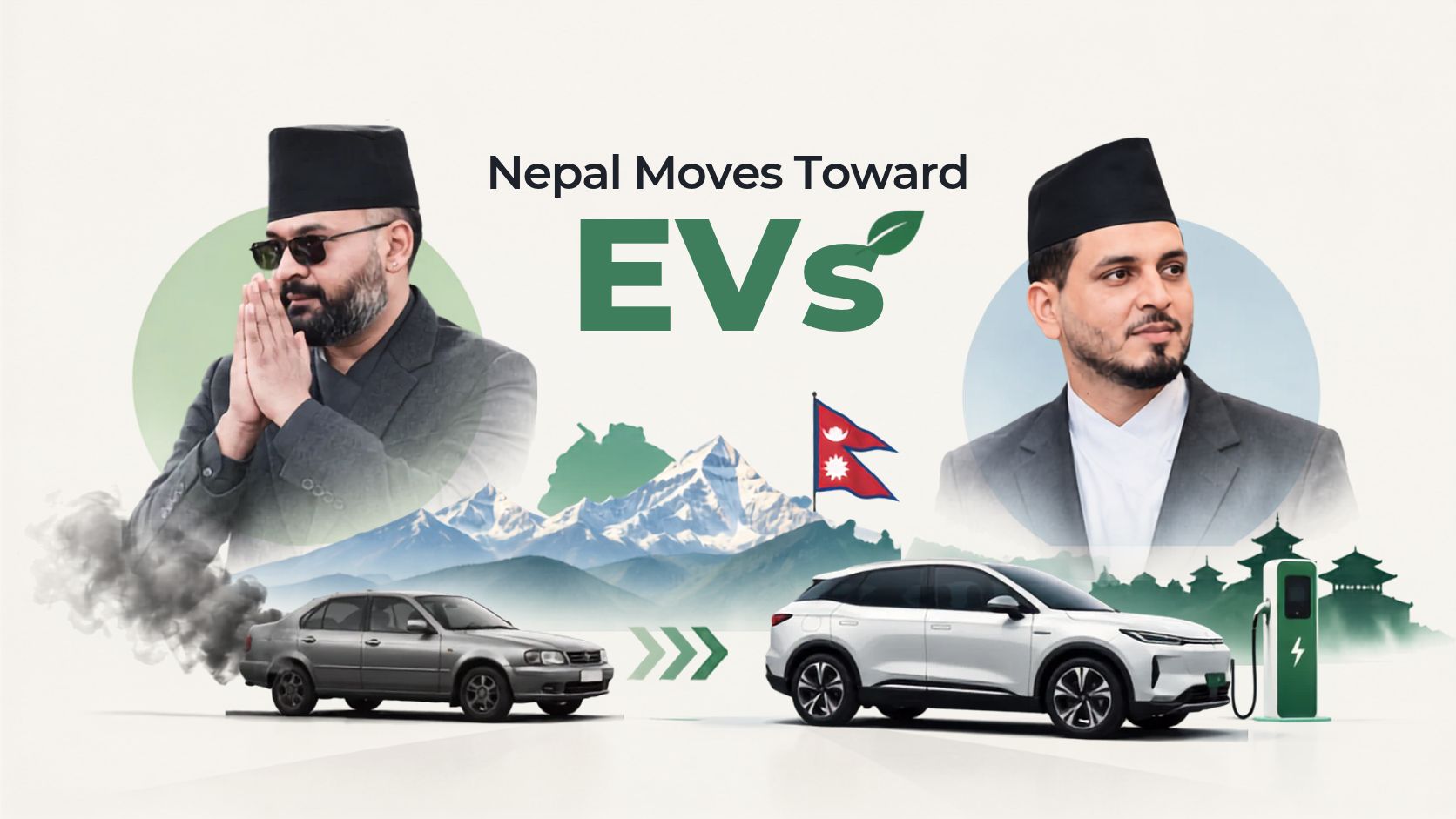
Nepal Moves Toward EVs from fuel-powered vehicles toward electric mobility.
Nepal is moving toward a major shift in its transportation sector as the government steps up efforts to replace petrol and diesel vehicles with electric vehicles (EVs).
However, the government has not announced an immediate nationwide ban on diesel or petrol vehicles. Instead, it is introducing policies that could gradually reduce the country’s dependence on fossil-fuel-powered vehicles.
Government Allows Diesel and Petrol Vehicles to Become EVs
In April 2026, the government decided to make the necessary legal arrangements to allow old diesel and petrol vehicles to be converted into electric vehicles.
The decision is aimed at supporting Nepal’s transition toward cleaner transportation. It could also provide an alternative for owners of older vehicles who cannot afford to replace them with new EVs.
The government is expected to establish technical and regulatory requirements for such conversions. These rules will need to cover areas such as battery systems, motor capacity, safety and vehicle registration.
Nepal Could Reach 90% EV Adoption by 2035
A government study has provided an even bigger target for Nepal’s EV transition.
According to a report prepared under the Ministry of Physical Infrastructure and Transport, around 90% of vehicles in Nepal could become electric by 2035 if the necessary policy, infrastructure and institutional reforms are implemented.
The study highlights several reasons for accelerating EV adoption. These include reducing petroleum imports, increasing domestic electricity consumption and lowering air pollution.
Nepal already has an important advantage in this transition. The country produces a large share of its electricity from hydropower. Therefore, increasing EV adoption could also create more domestic demand for electricity.
More Charging Stations Needed
The government study also identifies charging infrastructure as one of the biggest challenges.
It estimates that Nepal could need around 10,000 charging stations by 2030. Currently, charging infrastructure remains concentrated mainly around major urban areas such as Kathmandu, Pokhara, Chitwan and Birgunj.
Therefore, expanding charging networks will be essential if EVs are to replace fuel-powered vehicles on a larger scale.
The study also calls for better battery management, recycling facilities and clearer standards for EV imports and servicing.
Why Nepal Wants to Reduce Diesel and Petrol Vehicles
Nepal relies heavily on imported petroleum products. Moving more transportation to electricity could reduce the country’s dependence on imported fuel.
EVs could also help reduce urban air pollution. This is particularly important in Kathmandu and other densely populated cities where traffic emissions remain a major environmental concern.
Moreover, greater EV adoption could increase domestic electricity consumption and make better use of Nepal’s growing hydropower capacity.
EV Adoption Is Already Growing
Nepal has already seen a significant increase in electric vehicle adoption in recent years.
Lower EV taxes compared with petrol and diesel vehicles have helped accelerate the market. Nepal has also expanded its charging network as more private companies invest in EV infrastructure.
The government has continued to adjust EV taxation as well. The latest tax framework moved away from the previous motor-power-based system and introduced a value-based approach for EV taxation.
These changes could influence EV prices and the types of electric vehicles available in Nepal.
What Happens to Existing Diesel Vehicles?
For now, existing diesel and petrol vehicles are not being removed from Nepal’s roads through a nationwide ban.
Instead, the government’s approach appears to focus on gradually reducing dependence on fossil fuels.
Allowing old vehicles to be converted into EVs could become an important part of this transition. However, the conversion process will require clear technical standards, affordable financing and reliable battery and motor suppliers.
The government study also notes challenges such as high battery costs, limited technical expertise and inadequate infrastructure.
Nepal’s Road Toward an Electric Future
Nepal’s EV transition is therefore moving beyond simply offering tax incentives for electric cars.
The government is now considering vehicle conversion, charging infrastructure, battery management, domestic EV production and long-term transport planning as part of the wider transition.
The 2035 target of around 90% EV adoption is ambitious. Reaching it will require major investment and consistent policies.
For now, Nepal is not banning diesel vehicles outright. Instead, the country is taking gradual steps to make electric mobility the dominant form of transportation in the future.
If these policies are implemented effectively, Nepal could significantly reduce petroleum imports while making greater use of its domestic hydropower resources.