
Nepal Ranks Second Globally for EV Market Share Behind Only Norway
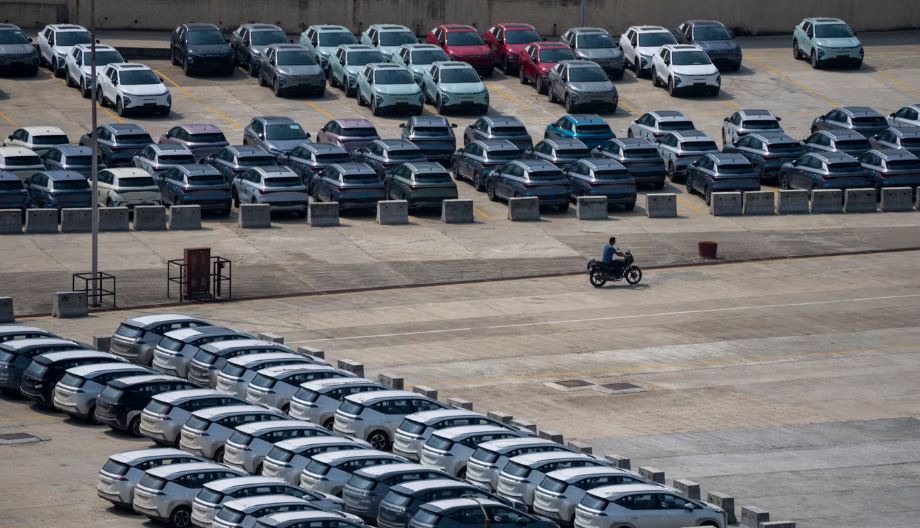
This dramatic rise positions the Himalayan nation right behind Norway, which leads the global pack with a 97% adoption rate. By crossing this threshold, Nepal has surpassed major automotive markets like China, Denmark, and Sweden in terms of new vehicle percentage share.
Table of Contents
- The Numbers Behind the Himalayan EV Boom
- What is Driving Nepal’s Green Shift?
- The Hydropower Synergy
- Two-Wheelers: The Missing Piece
The Numbers Behind the Himalayan EV Boom
Just a few years ago, electric cars were virtually nonexistent on Nepali roads. However, recent data highlights an exponential transformation.
- Massive Leap: EVs accounted for roughly 73% of all new passenger car imports in recent months. This is a huge jump from a mere 8% share recorded in 2019.
- Global Standout: While China leads the world in total volume with over 13 million sales, Nepal dominates in percentage growth.
- Unprecedented Pace: Nepal increased its EV market share by over 61 percentage points in less than six years. Consequently, this represents one of the fastest adoption rates in history.
What is Driving Nepal’s Green Shift?
This rapid transition is not an accident. Instead, it is the direct result of targeted economic incentives and strategic policy decisions.
- Tax Incentives: The government slashes import customs duties for electric vehicles significantly compared to fossil-fuel cars. Internal combustion engine (ICE) vehicles often face duties up to 180%.
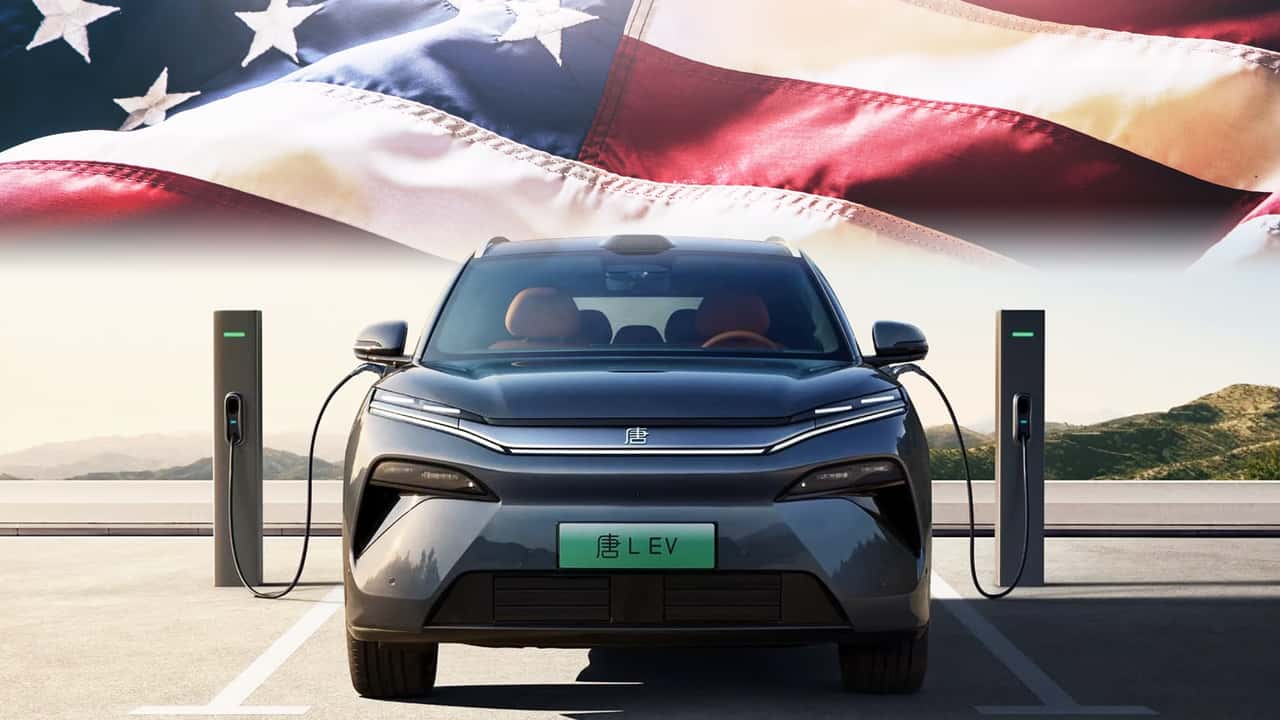
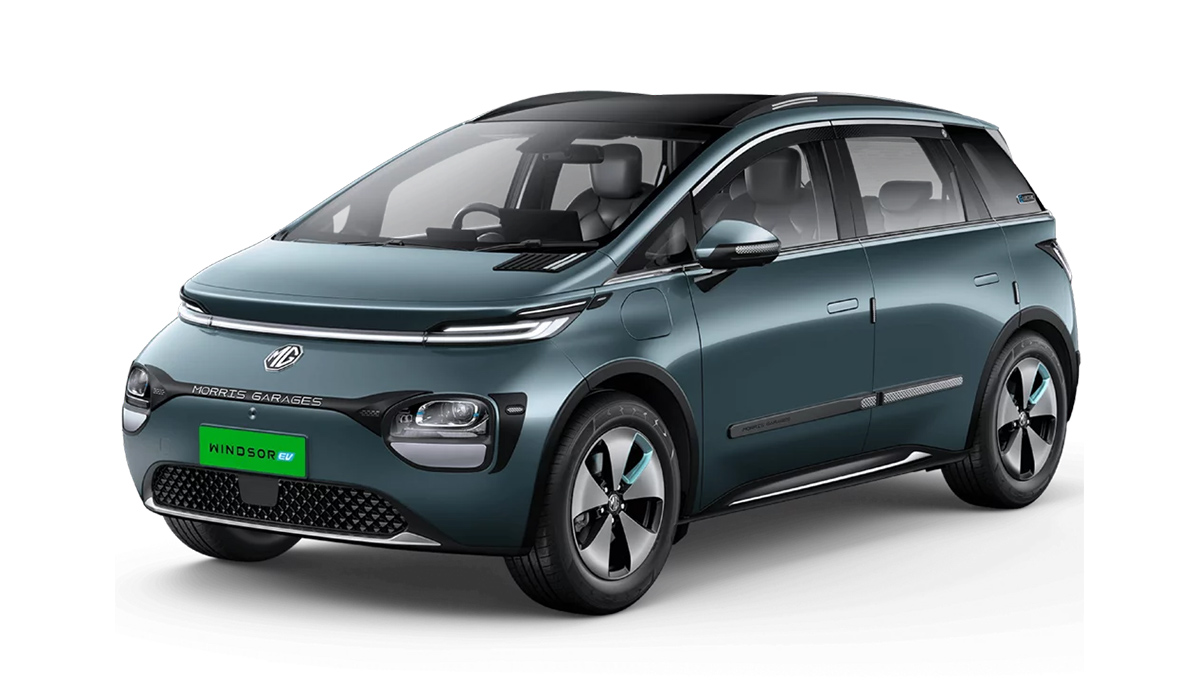
- Affordable Chinese Options: A massive influx of affordable, high-tech electric vehicles from brands like BYD has made clean mobility accessible.
- Fuel Cost Squeeze: Skyrocketing petroleum prices have pushed consumers away from petrol pumps. Because operating an EV is far cheaper, buyers are actively making the switch.
The Hydropower Synergy
Unlike many nations that rely on coal to power their grids, Nepal boasts an inherently clean energy ecosystem.
Over 95% of the country’s electricity comes directly from domestic hydroelectric projects. Therefore, when a driver charges an EV in Kathmandu, they are using cheap, locally produced renewable energy. This synergy keeps money within the national economy and drastically reduces reliance on imported fossil fuels.
Two-Wheelers: The Missing Piece
Despite the historic success in the four-wheeler segment, the broader transportation network still faces hurdles.
| Vehicle Category | Estimated EV Market Share | Primary Challenge |
| Four-Wheeler Passenger Cars | 71% – 73% | Rapid charging network expansion |
| Two-Wheelers (Bikes/Scooters) | ~6% | High initial cost for middle-class buyers |
| Public Buses | Low | High conversion and fleet acquisition costs |
While high-income buyers are quickly adopting electric cars, the daily commuter segment relies heavily on petrol motorbikes. For a true green revolution, the industry must now focus on making electric two-wheelers and public transit more affordable.
To read deeper technical analyses of the vehicles driving this boom or to check out the latest charging station maps across Nepal, follow Bijulidai. You can also browse premium smart chargers and EV accessories at Oliz Store.