
Absurdly Fast EV Chargers Are Coming to America, But Cars Aren’t Ready
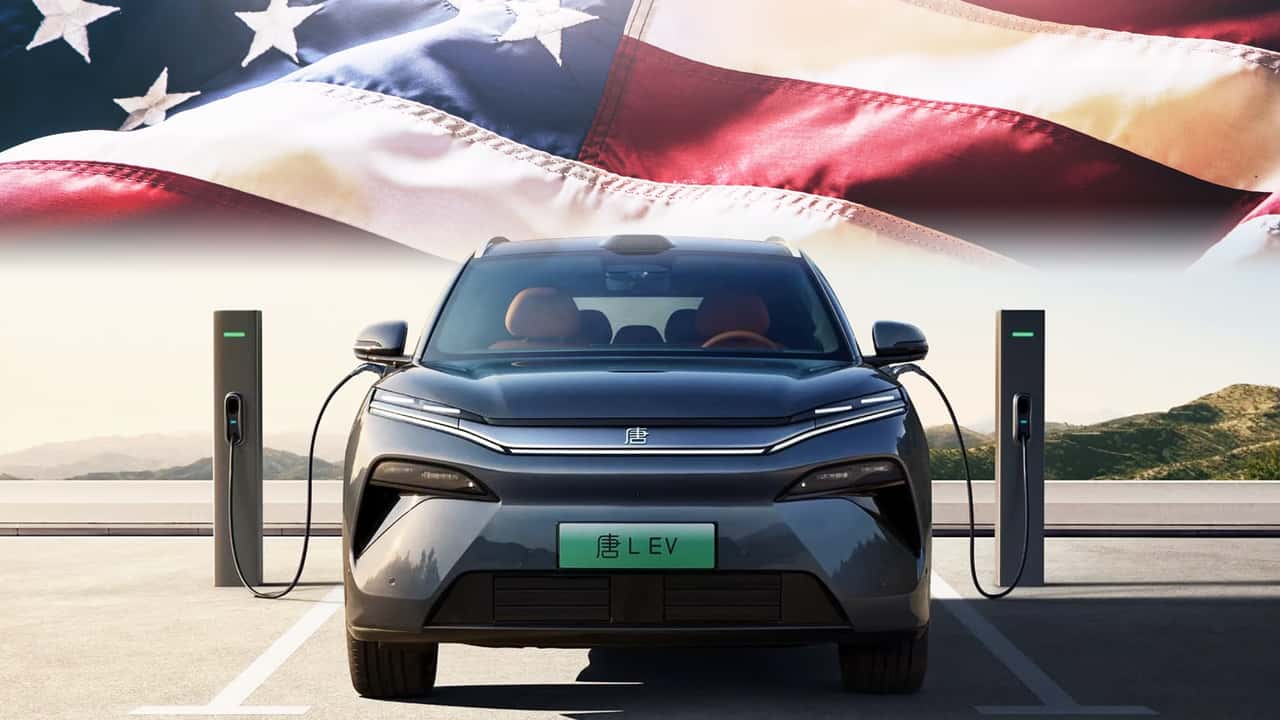
These next-generation charging stations can deliver anywhere from 500 kW to over 1.2 MW of raw power. Consequently, they are designed to fully replenish a battery in the time it takes to buy a coffee. Nevertheless, the vast majority of electric vehicles currently driving on American roads are hard-capped at much lower absorption rates.
Table of Contents
- The Arrival of Megawatt-Class Hardware
- Why Current EV Batteries are Bottlenecked
- The Future-Proofing Strategy
- What This Means for the Commercial Sector
The Arrival of Megawatt-Class Hardware
Until recently, a 350 kW charger represented the absolute pinnacle of public DC fast charging. Now, infrastructure providers are aggressively shifting boundaries by deploying systems that dwarf those speeds.
- Massive Output: Italian charger manufacturer Alpitronic is rolling out units capable of delivering up to 600 kW to passenger vehicles.
- Megawatt Milestone: Companies are deploying chargers reaching up to 1.2 MW along major freight corridors.
- Rapid Delivery: Tech startups like the Google-backed Gravity have already opened flagship stations in hubs like New York, proving that 500 kW footprints can fit into tight urban spaces.
Why Current EV Batteries are Bottlenecked
Even if you plug a modern electric car into a 600 kW charger, the vehicle will not charge at that speed. This limitation exists because automotive manufacturers must protect the battery from overheating and degrading.
- The 350 kW Cap: The fastest-charging passenger cars on the market today, such as the Hyundai Ioniq 5 or Porsche Taycan, top out between 230 kW and 320 kW.
- Thermal Management: Pushing excessive current into a standard lithium-ion pack creates intense heat. Without advanced cooling, this can cause permanent cell damage.
- Voltage Architecture: Most current EVs utilize a traditional 400-volt system, whereas utilizing these absurdly fast chargers requires an advanced 800-volt or 1000-volt architecture.
The Future-Proofing Strategy
If the cars are not ready, why are charging companies spending millions to deploy this extreme hardware today? The answer comes down to infrastructure lifespan.
Building a public charging station requires extensive permitting, trenching, and grid coordination. Therefore, companies prefer to install “future-proof” hardware right now. As automakers transition to next-generation solid-state batteries later this decade, the charging network will already be waiting for them.
What This Means for the Commercial Sector
While passenger cars lag behind, America’s heavy-duty commercial sector will benefit almost immediately from megawatt charging.
| Vehicle Type | Average Battery Size | Ideal Charger Speed | Target Charge Time |
| Standard Passenger EV | 60 – 100 kWh | 150-350 kWh | 20-30 Min |
| Electric Semi-Truck | 500 – 1,000+ kWh | 1.0-1.2 MW | 30-45 Min |
Electric big rigs require massive battery packs to haul heavy freight across states. For these logistics fleets, megawatt chargers are not a luxury. Instead, they are an absolute necessity to keep transit times competitive with diesel trucks.
For more global tech deep-dives or to see how charging infrastructure updates impact the growing EV adoption rate in Nepal, follow Bijulidai. Alternatively, browse premium smart charging gear at Oliz Store.