

The U.S. Military’s Abrams Tank Is Going Hybrid—Here’s Why It Matters
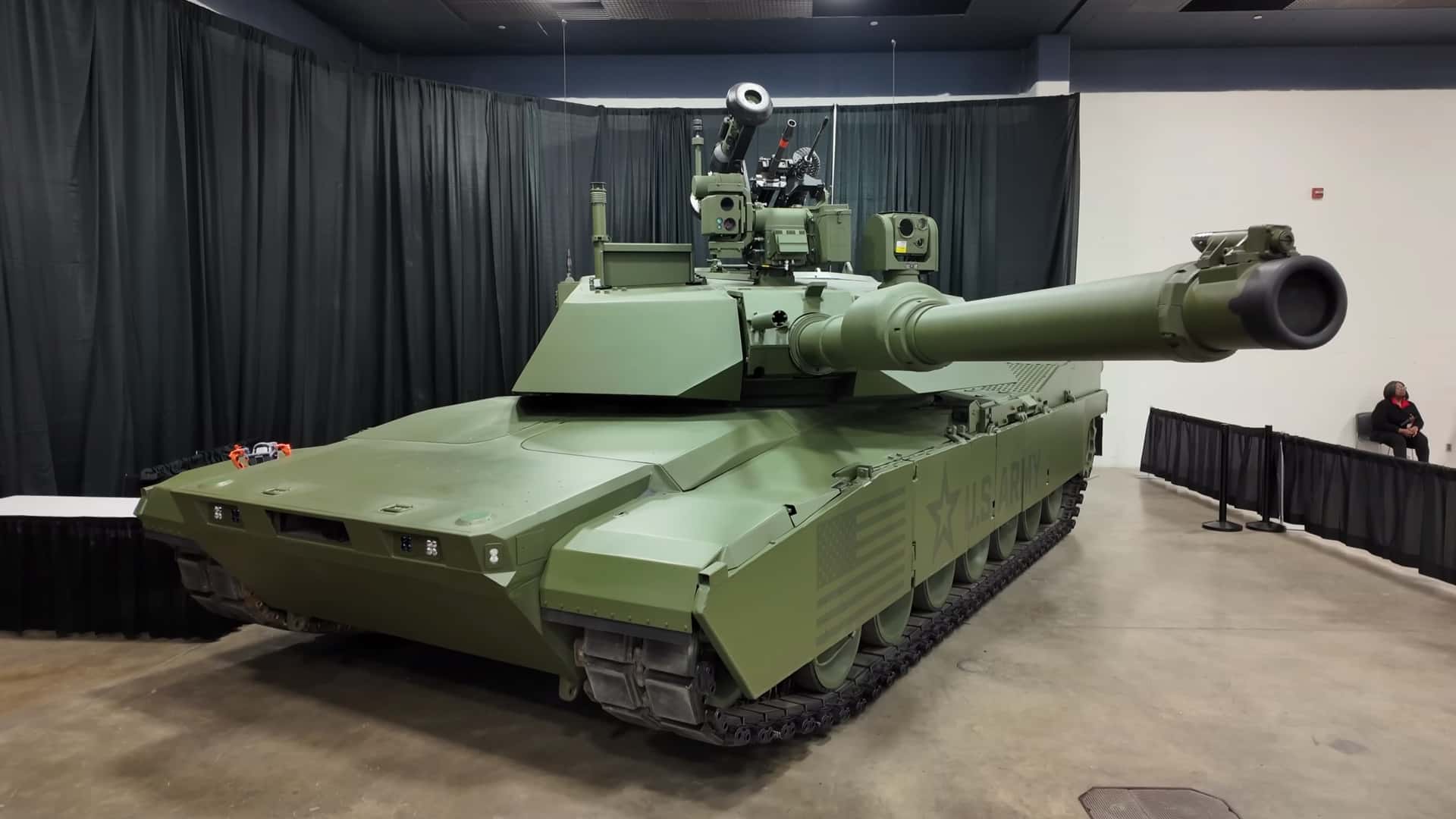
The U.S. Army is preparing a major upgrade to one of its most iconic weapons. The Abrams main battle tank is going hybrid, marking a significant shift in military vehicle technology. While electric cars dominate civilian headlines, this move shows how electrification is now influencing even the battlefield.
Why the Abrams Tank Needs a Hybrid System
The Abrams tank is powerful, but it is also extremely fuel-hungry. Therefore, logistics have always been a major challenge. Supplying fuel to frontline units often exposes troops to risk. By adding a hybrid powertrain, the Army aims to reduce fuel consumption and improve operational efficiency.
How Hybrid Technology Helps on the Battlefield
A hybrid system allows the tank to run silently on electric power for short periods. As a result, stealth improves during reconnaissance and defensive operations. Moreover, onboard electronics can operate without running the main engine, which saves fuel and reduces heat and noise signatures.
More Power, Not Less
Some may assume electrification means less power. However, the opposite is true. Hybrid systems deliver instant torque, which can improve acceleration and maneuverability. Additionally, electrical power supports advanced sensors, communication systems, and future battlefield technologies.
Logistics and Cost Advantages
Fuel convoys are expensive and dangerous. Consequently, reducing fuel demand can lower costs and save lives. Over time, hybrid Abrams tanks may require fewer refueling missions, easing the Army’s logistical burden. This efficiency also supports longer missions with fewer resupply needs.
A Step Toward Future Military Electrification
The hybrid Abrams is not a fully electric tank. Still, it represents a crucial step toward broader military electrification. Similar technologies may soon appear in armored vehicles, transport trucks, and even mobile command units. The military sees energy efficiency as a strategic advantage.
Why This Matters Beyond the Military
This development highlights how hybrid and electric technologies extend far beyond consumer vehicles. Ultimately, innovations tested in military platforms often influence civilian industries. Battery management, durability, and power delivery improvements could later benefit commercial EVs.
Looking Ahead
The hybrid Abrams tank shows that electrification is not about replacing power—but enhancing it. As technology advances, the line between civilian and military innovation continues to blur. Even the world’s most formidable tanks are adapting to a more energy-efficient future.