
Nepal Small Electric Car Imports Slow Down as Kaiyi Takes 55% Market Share
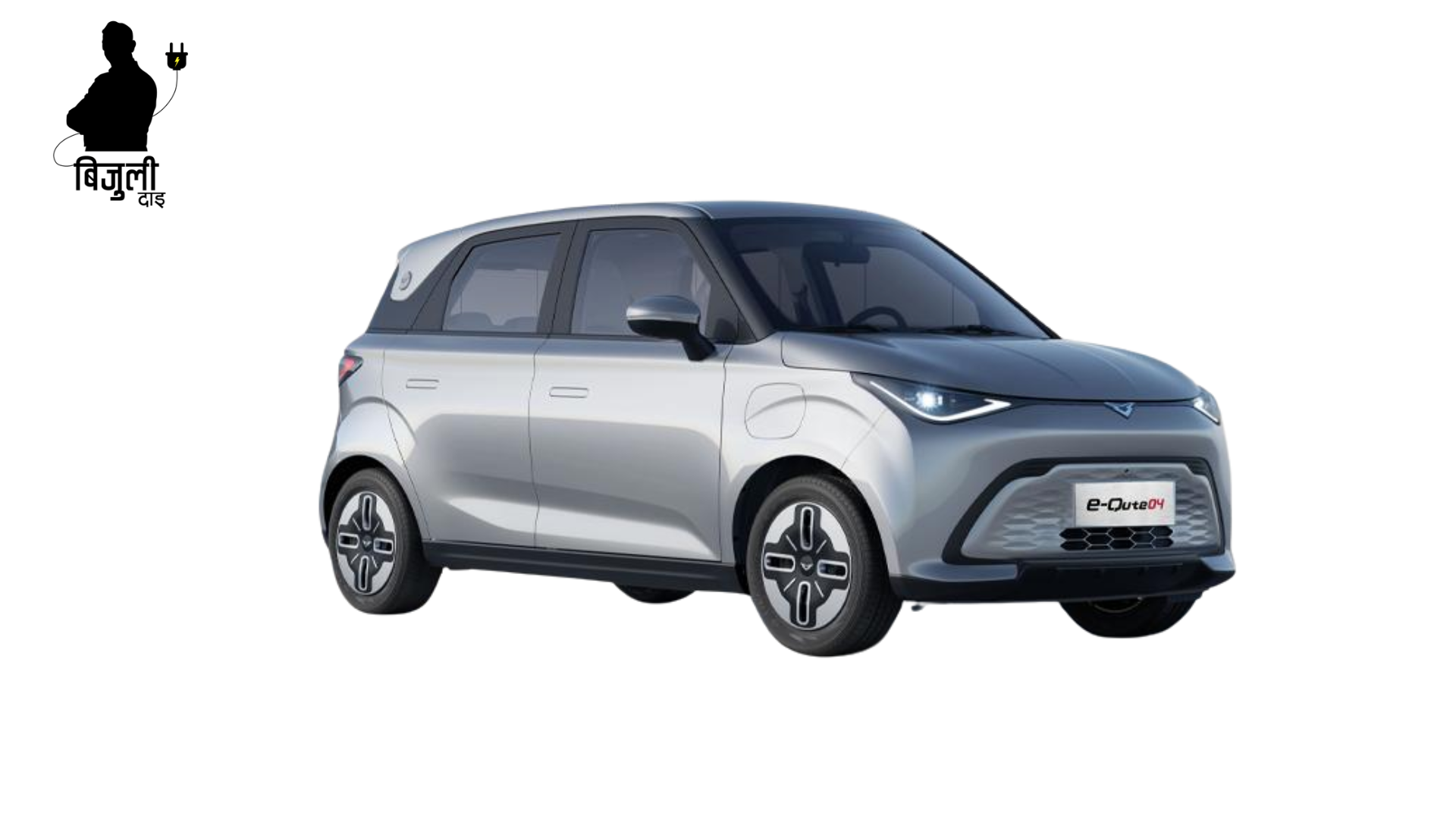
Nepal small electric car imports have slowed down, with only 313 units entering the country between January and October 15, 2026. Despite the weaker demand, Chinese automaker Kaiyi dominated the segment with 171 imported units, capturing approximately 55% of the market.
The figures indicate that demand for smaller electric cars remains limited, even as Nepal’s wider electric vehicle market continues to develop. Moreover, imports are concentrated among a few brands, with Kaiyi leading the competition.
Nepal Small Electric Car Imports: Kaiyi Leads with 55% Share
Kaiyi emerged as the leading brand in Nepal’s small electric vehicle segment during the first nine and a half months of 2026.
The company recorded 171 imported units through its e-Qute 02 and e-Qute 04 models. Together, these vehicles accounted for approximately 55% of the segment’s total imports.
The MG Comet EV secured the second position. G.O. Automobiles imported 56 units, giving the model an 18% market share.
Meanwhile, the BAW Brumby ranked third with 24 imported units, representing around 8% of the market.
Here is a breakdown of the small EV imports:
| Brand / Model | Imported Units | Market Share |
|---|---|---|
| Kaiyi e-Qute 02 and e-Qute 04 | 171 | 55% |
| MG Comet EV | 56 | 18% |
| BAW Brumby | 24 | 8% |
| Henry EVs | 20 | 6% |
| Jinpeng Lingbox EC01 | 12 | 4% |
| Ennui and Honri BOMA | 24 | 8% |
| Total | 313 | 100% |
Figures cover January to October 15, 2026. Percentages are rounded.
Why Are Small Electric Car Imports in Nepal Declining?
Although several small EV models are available in Nepal, their combined imports reached only 313 units during the review period.
This indicates that the segment is struggling to attract a larger number of buyers. Furthermore, several models that were previously available in Nepal recorded no imports during this period.
However, the slowdown in small electric car imports does not necessarily mean that Nepal’s entire EV market is declining. Instead, it highlights a difference in demand between vehicle categories.
According to import data for FY 2025/26, total EV imports reached 31,532 units. Passenger EV imports declined by 14.1% compared with the previous fiscal year, while electric three-wheeler imports increased.
Therefore, the small EV segment faces its own challenges despite the wider growth of electric mobility in Nepal.
Factors Affecting Nepal’s Small EV Market
Several factors could explain the weaker performance of Nepal’s small electric car segment.
1. Growing Competition in the EV Market
Nepal’s EV market now offers buyers more choices across different price categories. Consumers can compare compact electric cars with larger hatchbacks and SUVs.
As a result, some buyers may prefer spending more on a vehicle that offers additional space, driving range and features.
2. Price and Value Concerns
Small electric cars are expected to provide affordable urban mobility. However, buyers also consider battery capacity, driving range, safety features and after-sales support before making a purchase.
If a larger EV offers better overall value for a slightly higher price, customers may choose it over a smaller model.
3. Brand Trust and After-Sales Support
Brand reputation also plays an important role in Nepal’s automobile market.
Customers often consider spare parts availability, servicing facilities, battery warranty and resale value before purchasing an EV.
Therefore, brands with stronger distribution and after-sales networks may have an advantage over smaller competitors.
4. Changing Consumer Preferences
Nepali buyers are increasingly exploring different EV body styles. While compact electric cars remain useful for city travel, some customers prefer larger vehicles for family use and longer journeys.
This shift in preferences could also influence demand for smaller electric cars.
What Does the Slowdown Mean for Nepal’s EV Market?
The latest import figures show that Nepal’s small electric car segment is becoming more concentrated, with Kaiyi taking a clear lead.
However, the overall EV market is following a different trend. Electric vehicles continue to account for a major share of Nepal’s passenger vehicle imports, while electric three-wheelers are also expanding.
The next stage of growth will depend on affordable pricing, reliable after-sales service and products that match local driving needs.
For small EV brands, attracting buyers may require more than offering a low purchase price. Better driving range, practical features, battery confidence and accessible servicing will also matter.
If these factors improve, Nepal’s small electric car segment could regain momentum. For now, Kaiyi remains the clear leader in a market where overall demand is still limited.
Frequently Asked Questions (FAQs)
1. Which brand leads Nepal’s small EV market in 2026?
Kaiyi leads Nepal’s small EV market with 171 imported units of the e-Qute 02 and e-Qute 04 between January and October 15, 2026.
2. What is Kaiyi’s market share in Nepal’s small EV segment?
Kaiyi holds approximately 55% of Nepal’s small EV market based on the reported import figures.
3. How many small electric cars did Nepal import in 2026?
Nepal imported 313 small electric vehicles between January and October 15, 2026.
4. Which small EV ranks second in Nepal?
The MG Comet EV ranks second, with 56 imported units and an 18% market share during the review period.
5. Is Nepal’s overall EV market also slowing down?
Not in every category. Passenger EV imports declined by 14.1% in FY 2025/26, while total EV imports increased by 4.8%, mainly due to growth in electric three-wheelers.