Nepal’s Electric Bus Imports Rise as Government Pushes EVs in Public Transportation
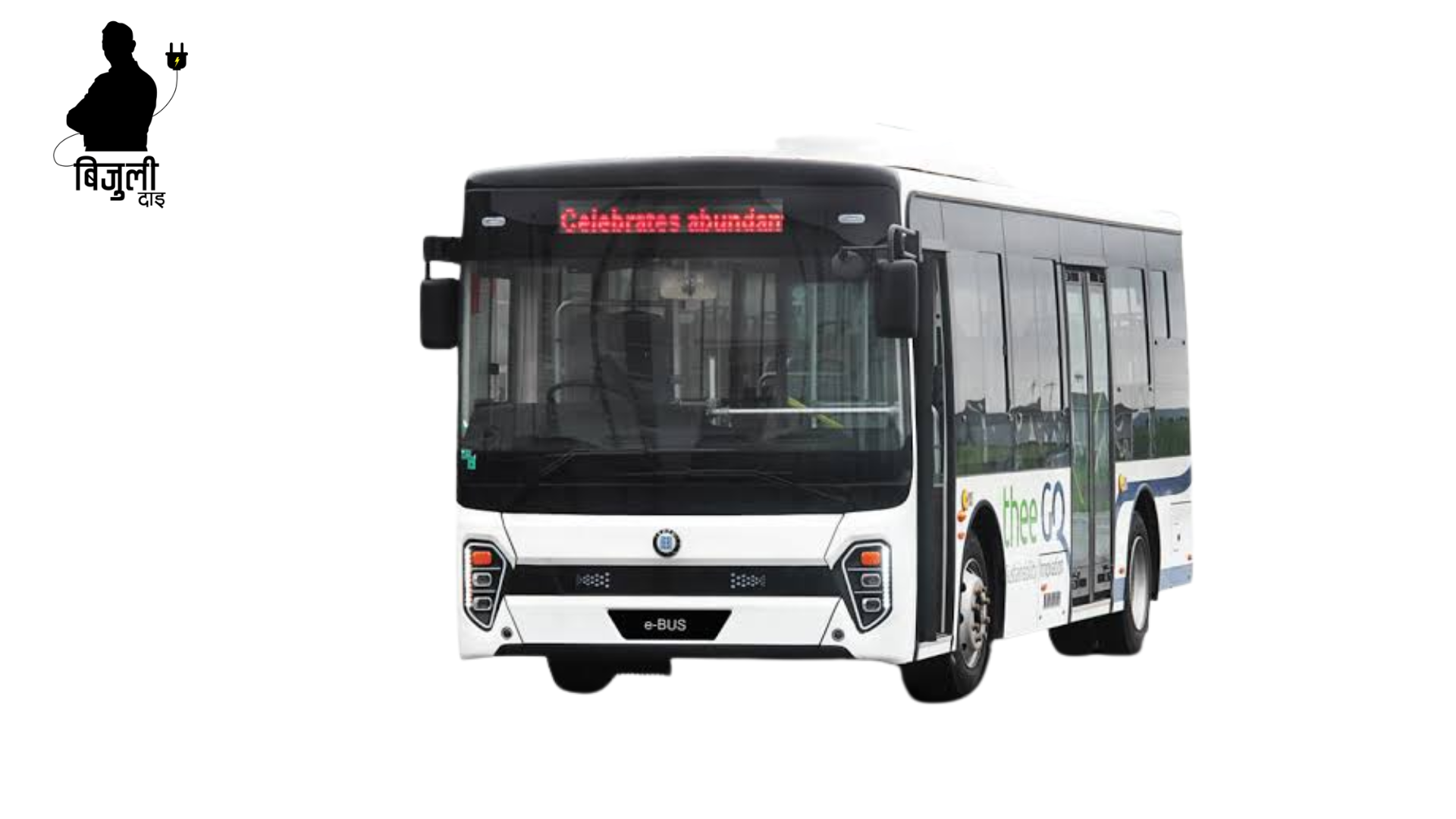
Electric bus imports in Nepal are increasing as the government encourages electric vehicles (EVs) in public transportation. The country is importing more electric buses, minibuses and microbuses as transport operators explore cleaner alternatives to diesel-powered vehicles.
According to Department of Customs figures, Nepal imported 1,375 electric commercial vehicles worth Rs. 4.56 billion during the first three months of FY 2026/27, covering Shrawan to Ashoj. During the same period last fiscal year, the country imported only 146 such vehicles worth Rs. 314.86 million.
This represents an increase of around 841.8% in the number of imported vehicles. Furthermore, the total import value increased by approximately 1,349.3%.This growth reflects the changing electric vehicle market in Nepal, where electric cars and commercial vehicles are gaining attention.
The figures highlight growing interest in electric commercial transportation. However, higher imports do not necessarily mean that all these vehicles have already entered public service.
Electric Bus Imports in Nepal: Minibuses and Microbuses Lead
Electric minibuses and microbuses account for the largest share of Nepal’s electric commercial vehicle imports.
During the first quarter of FY 2026/27, Nepal imported 998 electric vehicles with seating capacities ranging from 11 to 25 passengers. Their total import value reached Rs. 3.73 billion.
In comparison, Nepal imported only 68 vehicles in this category during the corresponding period last fiscal year. As a result, imports increased significantly, making electric minibuses and microbuses the main contributors to this growth.
These vehicles could play an important role in Nepal’s public transportation system. They are suitable for urban routes, short-distance travel and passenger services where smaller vehicles can operate more conveniently than large buses.
Large Electric Bus Imports Also Increase
Nepal has also started importing more large electric buses.
Customs data show that the country imported 17 electric buses with seating capacities of more than 25 passengers during the first quarter of FY 2026/27. Their combined import value stood at approximately Rs. 159 million.
Interestingly, Nepal did not record any imports under this category during the same period last fiscal year. However, the country imported 37 large electric buses throughout FY 2025/26.
Several companies are bringing large electric buses into the Nepali market. Chery Wanda, Dongfeng and Higer offer electric buses with more than 25 seats. Meanwhile, CG Motors is preparing to introduce electric buses under the King Long brand.
This growing availability could give public transport operators more options as they consider replacing conventional diesel buses.
Government Policies Encourage Electric Public Transportation
Government policy is another important factor behind the growing interest in electric commercial vehicles.
Under its National Transport Policy, the government has prioritised electric vehicles for public transportation. It has also introduced restrictions on registering new public transport vehicles in Kathmandu Valley, with exceptions for replacement vehicles and school buses.
The government initially suspended public transport vehicle registration from May 21, 2026. However, following concerns from transport operators and other stakeholders, registration reopened under certain conditions from September 17.
At present, registration remains restricted in Kathmandu Valley, except for specific categories. Outside the valley, registration is open, with priority given to electric vehicles.
These measures aim to encourage transport operators to consider electric alternatives instead of adding more diesel-powered vehicles.
Lower Down Payment Makes Electric Buses More Accessible
Financing is another important part of Nepal’s electric public transport push.
Nepal Rastra Bank has introduced easier financing provisions for public electric vehicles. While buyers of private vehicles must make a minimum 40% down payment, buyers of public electric vehicles can purchase them with a 20% down payment.
This difference could make electric commercial vehicles more accessible to transport operators and businesses.
However, the initial purchase cost remains a major challenge. Even with customs duty concessions, the price of a large electric bus in Nepal exceeds Rs. 12.5 million.
The Ministry of Physical Infrastructure and Transport is also working on plans to introduce additional concessions and subsidies to encourage investment in large electric buses.
Challenges Still Remain for Electric Bus Imports in Nepal
Although electric bus imports in Nepal are increasing, the country still needs to address several challenges before electric public transportation can expand nationwide.
First, the upfront cost of large electric buses remains high. Smaller operators may find it difficult to invest without affordable financing and government support.
Second, charging infrastructure needs further development. Bus operators require reliable charging facilities at depots and along major routes. They also need enough charging capacity to keep vehicles running throughout the day.
In addition, transport operators must consider battery performance, maintenance costs, spare parts and vehicle availability.
Most importantly, higher import numbers alone cannot confirm the success of the transition. The number of vehicles entering regular public service will be a more meaningful measure of progress.
What Does the Rise in Electric Bus Imports Mean for Nepal?
The latest import figures suggest that Nepal’s electric vehicle market is expanding into commercial transportation.
While private electric cars have received considerable attention in recent years, electric minibuses, microbuses and large buses could become an important part of the next stage of EV adoption.
Furthermore, government policies, easier financing and the arrival of more electric bus brands could encourage transport operators to consider electric fleets.
However, the long-term impact will depend on how effectively Nepal develops charging infrastructure, supports operators and brings imported vehicles into regular service.
If these challenges are addressed, electric buses could help reduce dependence on diesel in public transportation and support Nepal’s broader electric mobility goals.
Frequently Asked Questions (FAQs)
Nepal imported 1,375 electric commercial vehicles worth Rs. 4.56 billion during the first three months of FY 2026/27.
Nepal imported 17 electric buses with more than 25 seats during the first quarter of FY 2026/27.
Electric minibuses and microbuses recorded the highest imports, with 998 units brought into Nepal during the first quarter.
Under the easier financing provisions, buyers of public electric vehicles can purchase them with a minimum 20% down payment.
The minimum price of a large electric bus in Nepal exceeds Rs. 12.5 million, although the actual price depends on the brand and configuration.