
BMW Cuts Senior Roles as AI Drives Restructuring
BMW AI restructuring is set to reduce management roles by 20% by mid-2027 as the automaker expands artificial intelligence across development, production and other business operations.
BMW Plans 20% Reduction in Management Roles
BMW is preparing for a major organisational restructuring. The company wants to simplify its management structure and improve decision-making.
Under the plan, BMW will reduce the number of divisions and associated management roles by 20% by mid-2027. In addition, the automaker expects a similar reduction at lower organisational levels.
At the same time, BMW is expanding artificial intelligence across its business. The company wants AI to support more than individual tasks. Instead, it plans to integrate the technology into several core operations.
AI to Play a Bigger Role Across BMW
The BMW AI restructuring will cover multiple areas of the company. These include vehicle development, purchasing, production, sales, marketing and aftersales.
For vehicle development, BMW plans to use AI agents to support tasks such as technical requirements, testing and vehicle release. As a result, engineers could spend less time on repetitive processes.
Furthermore, BMW says humans will continue to monitor and approve AI-generated results. This approach keeps human oversight within the development process.
BMW Wants Faster Decision-Making
The restructuring also aims to reduce management layers. According to BMW, a leaner structure can help decisions move faster across the organisation.
Meanwhile, the company is working with its Works Council on changes to its personnel structure. BMW has also introduced a voluntary severance programme as part of the broader workforce changes.
Therefore, the plan involves both organisational changes and wider adoption of new technology.
AI Could Change BMW Vehicle Development
One major focus is vehicle development.
BMW plans to connect specialised AI agents with its development data and IT systems. These systems can then support different stages of the development process.
For example, AI can process large amounts of technical information and automate repetitive work. Consequently, BMW expects some development tasks to become faster and more efficient.
However, engineers will still review and approve the results. Human expertise therefore remains an important part of BMW’s development process.
BMW Brings AI Into Production
AI will also become more important inside BMW factories.
The automaker plans to combine digital AI agents with self-learning robots. BMW describes this approach as Physical AI.
In particular, the technology could help factories handle complex tasks while improving production efficiency. Moreover, AI-based systems can work alongside existing automation technologies.
Workforce Changes Extend Beyond Management
The management reduction is part of a wider workforce restructuring in Germany.
According to Reuters, BMW expects around 8,000 back-office positions to be affected by the broader restructuring. The changes include voluntary departures and other workforce measures.
However, BMW’s plan is not limited to reducing positions. The company is also changing how teams work and how technology supports employees.
BMW Also Targets Higher Profitability
BMW’s restructuring comes as the company works to improve profitability and respond to changes in the global automotive market.
For 2028, BMW is targeting an Automotive EBIT margin of 3% to 5%. In the longer term, the company aims to return to an 8% to 10% margin in its Automotive segment.
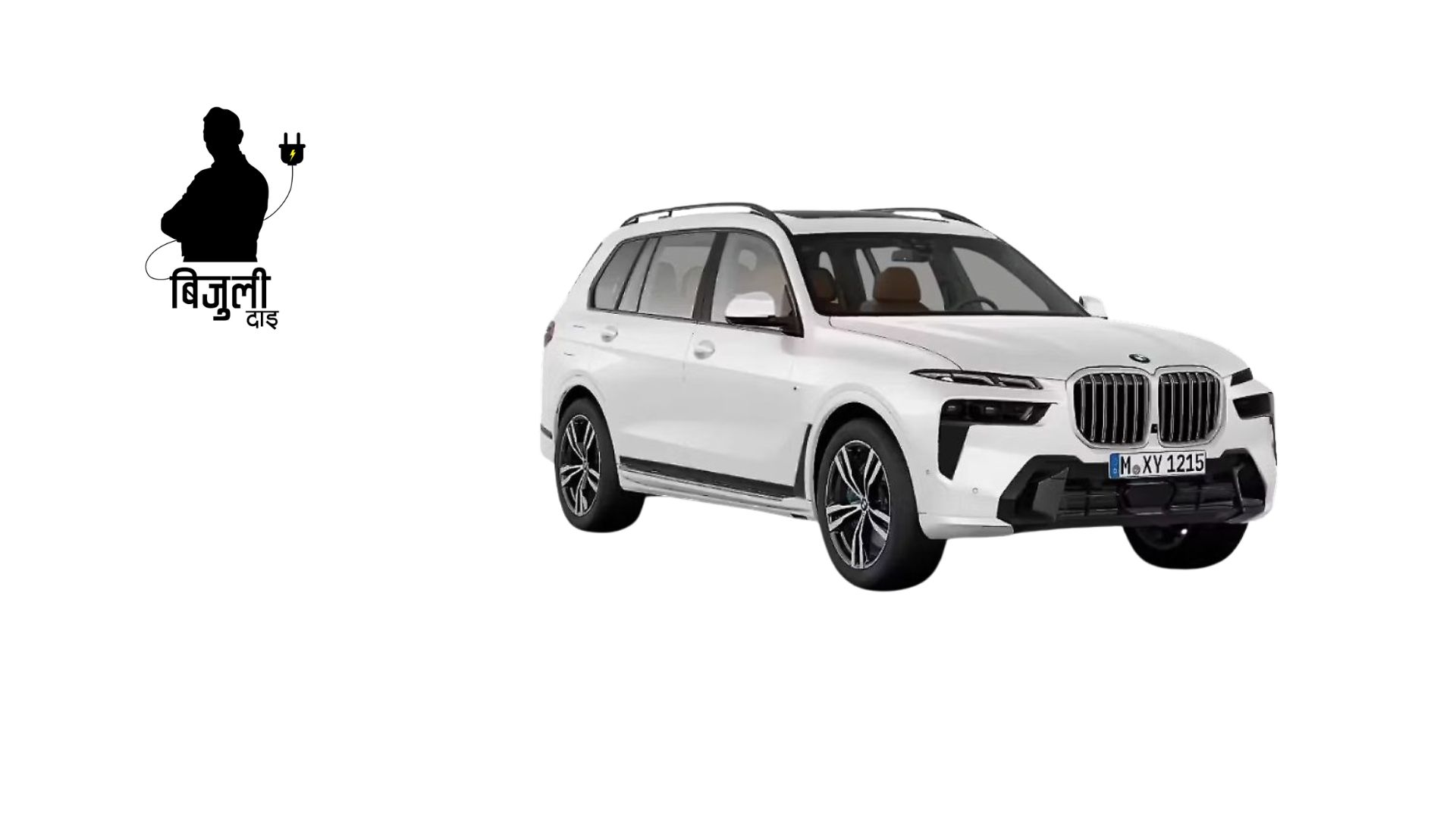
Alongside these financial targets, BMW is adjusting its vehicle strategy. The company plans to introduce a new entry-level electric model in Europe in 2028. It also plans a new SUV positioned above the current BMW X7.
BMW AI Restructuring: Key Details
| Area | BMW’s Plan |
|---|---|
| Management roles | 20% reduction |
| Divisions | 20% reduction |
| Target timeline | By mid-2027 |
| AI deployment | Across the value chain |
| Vehicle development | AI agents for development and testing |
| Production | AI systems and self-learning robots |
| Workforce changes | Voluntary severance and personnel changes |
| 2028 EBIT target | 3%–5% Automotive margin |
| Long-term EBIT target | 8%–10% Automotive margin |
What BMW’s AI Shift Means
The BMW AI restructuring shows how artificial intelligence is becoming part of the automaker’s wider business strategy.
Rather than using AI only for individual tasks, BMW wants to integrate it into core operations. These areas include engineering, production, sales and aftersales.
At the same time, the company is reducing management layers and reorganising divisions. As a result, BMW expects a leaner structure and faster decision-making.
For now, the full impact of the restructuring will become clearer as BMW implements the changes through 2027.

