
Honda’s EV Sales Slump Opens the Door for GM to Gain Ground
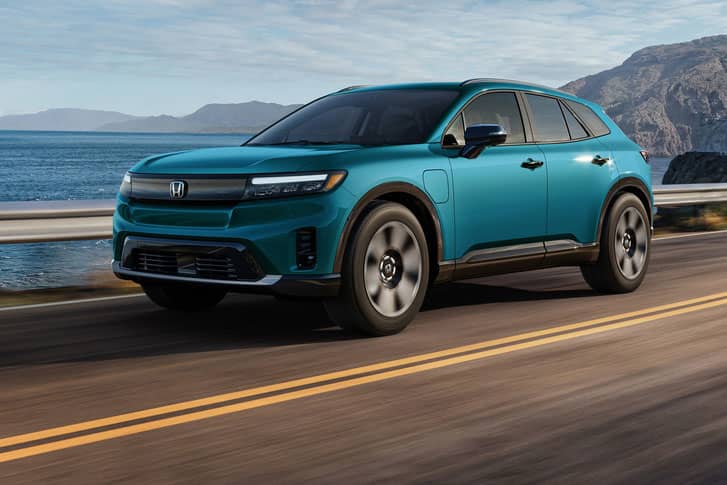
Honda entered the electric vehicle race later than many of its rivals. While competitors rapidly expanded their EV lineups, Honda focused on hybrids and partnerships. However, that strategy now appears to be facing serious pressure. Recent sales data shows Honda’s EV numbers have dropped sharply—and General Motors could be the unexpected beneficiary.
Why Honda’s EV Sales Are Falling
First, Honda’s EV portfolio remains limited. Unlike Tesla, Hyundai, or GM, Honda does not yet offer a wide range of fully electric models. As a result, consumers looking for variety often turn elsewhere.
Additionally, market competition has intensified. Price cuts, new battery technology, and longer ranges have reshaped buyer expectations. Therefore, brands without strong standalone EV platforms struggle to keep pace.
Honda has relied heavily on partnerships to enter the EV market, including collaborations that produced shared-platform models. While this approach reduced development costs, it may have limited differentiation. Consequently, Honda’s EV offerings haven’t generated the same excitement as some rivals.
GM’s Timing Could Be Perfect
Meanwhile, GM has aggressively scaled its Ultium-based electric platform. The company now offers EVs across multiple segments, from affordable crossovers to high-performance trucks.
Because GM invested early in domestic battery production and supply chains, it now has stronger cost control. Moreover, the automaker continues to expand production capacity in North America, positioning itself well for shifting regulations and incentives.
If Honda’s EV momentum continues to slow, buyers may naturally migrate toward brands with broader choices. In that scenario, GM stands to benefit significantly.
A Broader Shift Toward Hybrid Strength
Interestingly, Honda’s overall strategy may not be failing—just shifting. The brand continues to perform well in hybrid sales, where demand remains strong. However, pure EV growth increasingly defines long-term industry leadership.
As governments tighten emissions standards and EV infrastructure improves, fully electric vehicles will likely dominate the next decade. Therefore, brands that hesitate could lose valuable market share.
What This Means for the EV Race
Honda still has time to rebound. Upcoming models and expanded production plans could stabilize sales. Nevertheless, the current dip highlights a competitive reality: the EV market rewards speed, scale, and differentiation.
For now, GM appears better positioned to capture momentum. If trends continue, Honda’s EV slowdown may become GM’s growth opportunity.